Recovery from Post Traumatic Stress Disorder (PTSD) and Complex PTSD (C-PTSD) is absolutely possible – but it’s important to recognise that the journey isn’t always simple or straightforward. Healing takes time, and often begins with the hardest step: asking for help.

Whether you’ve opened up to a friend, spoken to your GP, or connected with a therapist – that moment of reaching out can feel like climbing a mountain. It’s an incredibly brave act, and one that opens the door to support, understanding, and treatment.

But what if recovery doesn’t feel the way you expected it to? What if therapy feels overwhelming, or it seems like things are getting harder rather than easier? You’re not alone in this.

Why the beginning of recovery can feel tougher

It’s extremely common for the start of the recovery process to feel intense. As you begin therapy or support, thoughts, emotions, memories, and even physical sensations that may have been buried or avoided for a long time can come flooding to the surface. You may feel more easily triggered or overwhelmed, and it can be confusing – especially if you thought beginning treatment would instantly bring relief.

In fact, this stage is often a vital part of the healing process. As trauma surfaces, it allows you to begin processing and resolving it. Many therapy techniques are designed to help your brain file and integrate those memories in a way that reduces their emotional charge over time.

Although it may feel like a setback, this stage is actually a step forward. Recovery is rarely comfortable, but discomfort often means healing is happening.

Healing isn’t linear
You might feel better for a while, then hit a rough patch. This is normal. It doesn’t mean you’re going backwards – it means you’re human. Healing can involve ups and downs – some days will feel easier than others, and setbacks are a normal part of the process. What matters is continuing to move forward at your own pace.

What might slow down or block recovery?

Everyone’s recovery journey is unique, but there are some common internal and external obstacles that can make progress feel difficult. Some of these barriers are unconscious – things you may not realise are getting in the way of healing. Becoming aware of them is the first step in gently moving through them.

1. Feeling unworthy of recovery

You may believe others have been through worse, or that you ‘should’ be able to cope. But your trauma and your pain are valid. Recovery isn’t reserved for a select few – you are absolutely deserving of healing.

2. Trying to go too fast

Recovery isn’t a race. It’s OK to take things slowly. Your brain, nervous system, and emotions need time to adjust and heal. Pace is part of the process.

3. Losing your way

Sometimes therapy uncovers unexpected memories or emotions, and it can feel like you’re drifting from your original goal. This is especially common in C-PTSD, where multiple traumas may be involved. Keep talking with your therapist and gently reorient yourself when you need to.

4. Trying to stay in control

It’s natural to want to maintain control as a way of feeling safe – but trauma recovery often requires letting go of some control in safe, therapeutic environments. Trust in your therapist and the process can help things move forward.

5. Feeling overwhelmed

When therapy feels like ‘too much’, remember that overwhelm can be a sign your system is trying to process and adapt. You’re not going backwards – you’re stretching into something new. Let your therapist know how you’re feeling so they can help you pace it.

6. Worrying about the emotional cost

Recovery can feel emotionally expensive – in time, energy, even money. But what’s waiting on the other side is relief, resilience, and a life less burdened by trauma. That’s worth fighting for.

7. Lack of self-trust

You may doubt your ability to make the ‘right’ choices about therapy or healing. Trust can grow over time – in yourself, your therapist, and the process. It’s OK to lean on professional guidance while you rebuild that trust in yourself.

8. Imbalance

If you put all your energy into recovery without space to rest, it can become overwhelming. If you avoid recovery altogether, progress can stall. Aim for a balance – effort and rest, work and compassion.

9. Reluctance or fear of treatment

There are many reasons someone might not want to begin treatment – from fear of reliving trauma to simply feeling they’re not ready. That’s valid. Understanding these reasons (explored more below) can help you prepare, gently and in your own time.

10. Lack of commitment

Therapy works best when you’re actively involved. That doesn’t mean ‘feeling positive’ all the time – it means being open to the journey, even when it’s hard. If you’re struggling to feel engaged, talk to your therapist – they may be able to adjust their approach to better support you.

If you recognise any of these feelings in yourself, please don’t be hard on yourself. Recovery is hard work. Talk to your GP, your therapist, or someone you trust. Things can get better.

Why someone may be reluctant to start treatment

Even when someone is ready to acknowledge their PTSD or C-PTSD, they may feel unsure or resistant to starting therapy. This isn’t uncommon – and it doesn’t mean they don’t want to get better. Here are some common reasons:

  • They don’t know recovery is possible: PTSD and C-PTSD were once thought to be lifelong conditions. But we now know that a number of treatments can be highly effective.
  • Mistrust around confidentiality: Some fear what might happen if their diagnosis becomes public – especially in certain jobs. But therapists are bound by strict confidentiality rules.
  • Fear of losing control: People who’ve ‘managed’ symptoms for years may worry that therapy will take away their coping mechanisms. But treatment is about building new ways to feel safe and empowered.
  • Self-reliance or shame: They may believe they should cope alone, or feel embarrassed to ask for help.
  • Bad past experiences with professionals: One negative interaction can leave deep scars. But not all practitioners are the same – with the right support, trust can be rebuilt.
  • Feeling others ‘deserve’ it more: NHS pressures can make people feel guilty about taking up space. But everyone deserves support – including you.
  • Fear of burdening others: Sharing trauma can feel like placing a weight on someone else – but professionals are trained to support you without judgment.
  • Guilt about those lost in trauma: Some fear that healing means forgetting those they’ve lost. But healing often creates more space to honour their memory, not less.
  • Language barriers: Therapy in a second language can be difficult – but many services offer interpreters or multilingual support.
  • Not recognising symptoms as PTSD/C-PTSD: People may feel overwhelmed without realising a diagnosable, treatable condition is at the root.
  • Financial or access barriers: While NHS therapy is free, wait times can be long, and private therapy isn’t affordable for everyone.
  • Struggling to find the right therapist: A good therapeutic relationship is key – and it can take time to find someone you connect with.
  • Fear of judgment or stigma: Shame or embarrassment can keep people silent – but seeking support is never something to be ashamed of.
  • Ongoing trauma: Some people are still living in unsafe or traumatic situations – and for them, survival may understandably take priority.
  • Avoidance: One of the core symptoms of PTSD and C-PTSD is avoiding reminders of the trauma – and that can include treatment itself.

At PTSD UK, we understand these barriers and work to help reduce them – both through our resources and through awareness-raising.

Final thoughts

It’s entirely possible to recover from PTSD and C-PTSD. But recovery is rarely a straight line – it can feel difficult at first, and it’s common to experience setbacks. These don’t mean you’re failing. They mean you’re healing.

You deserve support. You deserve peace. And when you’re ready, we’re here to help.

Healing is possible. You’re not broken – you’re healing. And we’re here for you, every step of the way.

Social MEDIA SHARE THIS PAGE

Join us in supporting the journey toward healing and recovery for everyone with PTSD & C-PTSD

Help us provide vital support, information, and resources across the UK

Printed Support Items

Our Supporters store offers a variety of merchandise to help raise awareness, along with practical items to support your treatment and recovery like our Ink and Insight Toolkit, Emotional Wheel Postcards, PTSD & C-PTSD Symptom Tracker sheets, Safety Plan worksheets and Communication Cards.

Find out more


Printed support items offered by PTSD UK

PTSD UK Supporters’ Store

Every item in our Supporters’ Store helps fund vital work for people affected by PTSD and C-PTSD.

Whether you’re buying for yourself or a loved one, every purchase supports awareness, recovery resources, and access to life-changing information. From empowering T-shirts, beanie hats and wristbands to practical support tools, everything has been created with care — and with hope in mind.

Visit the PTSD UK Supporters Store

PTSD UK Supporters Store items

Insights: The PTSD UK Blog

Your Source for the Latest Support and Advice

Sign up to be a 'Friend of PTSD UK' today!

Unlock exclusive resources, discounts and events: just £5 per month

PTSD UK Impact Report 2025

Our Impact Report shines a light on the real-world difference PTSD UK is making for people affected by PTSD and C-PTSD across the country. Whether it’s helping someone access life-changing therapy, offering trusted information at a critical moment, or raising awareness that leads to understanding — your support is at the heart of it all.

If you’d like to see exactly how we’re turning compassion into action, and hope into healing, take a look at our latest Impact Report.

Read the PTSD UK Impact Report

PTSD UK Impact Report

Supportive Tools

Find grounding exercises, therapy resources and more

STANDARD PAGE TEMPLATE

Workbooks & Downloads

Download transformative workbooks for PTSD healing

STANDARD PAGE TEMPLATE

Books and Videos

Valuable knowledge & support for your healing journey

STANDARD PAGE TEMPLATE

Practical Tools & Guidance

Resources & downloads for practical and tangible support

STANDARD PAGE TEMPLATE

Raising Funds, Changing Lives

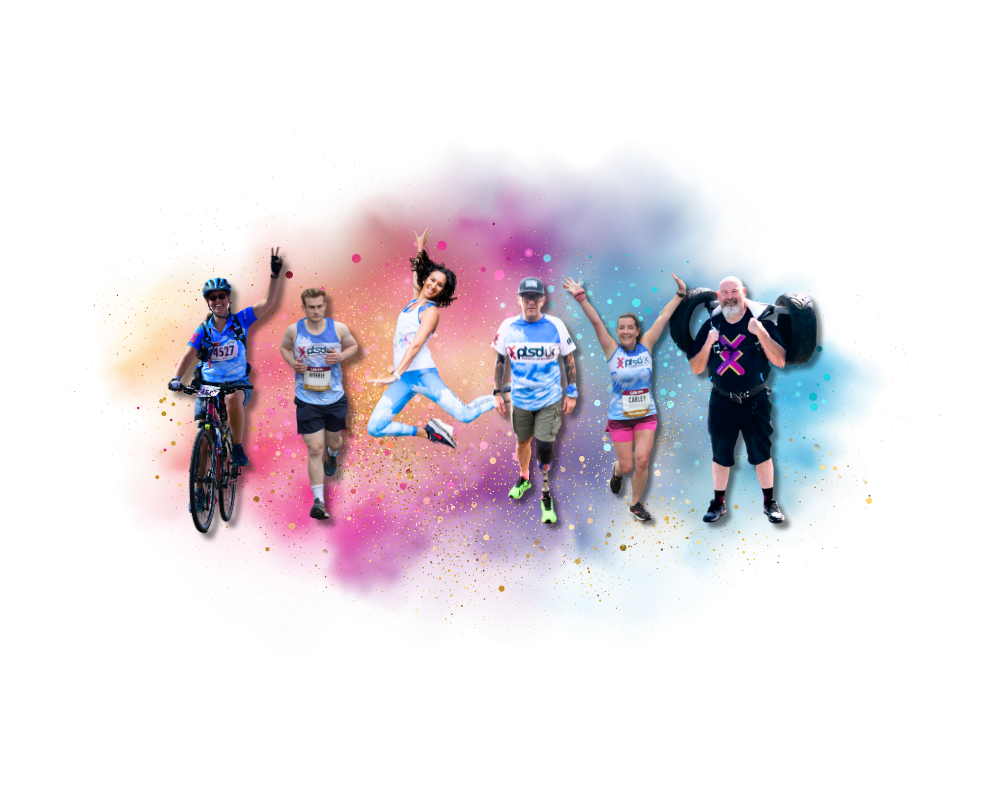
Whether you’re considering iconic events like the Great North Run, exhilarating experiences like skydiving, our unique PTSD UK events such as the Wagathon or Dip a Day December, or planning your own fundraiser, every penny you raise really can change the lives of people affected by PTSD & C-PTSD.

I want to get involved!


People in PTSD UK tshirts

Newsletter sign up to go here

Menu
Search
Basket

No products in the basket.