The symptoms of Post Traumatic Stress Disorder (PTSD) and Complex PTSD (C-PTSD) can have a significant impact on your daily life, relationships, and overall well-being. It’s important to note that each person’s experience of PTSD or C-PTSD is unique.
Many people will experience some symptoms of trauma immediately following an event, but these often subside within a few weeks. However, if symptoms persist for more than a month and cause significant distress or issues in your daily functioning, it may be a sign of PTSD or C-PTSD. For about 15% of people, there can be a delay of months or even years before symptoms appear.
PTSD and C-PTSD symptoms and their intensity can also fluctuate over time. Some people learn to manage their symptoms, experiencing periods where they are less noticeable, followed by times when they worsen. Others may have constant severe symptoms, or only experience symptoms when under stress or when encountering reminders of the trauma.
Common PTSD & C-PTSD Symptoms
Although symptoms vary, there are common categories of PTSD and C-PTSD symptoms that you might recognise in yourself or a loved one.
Re-experiencing Symptoms
Re-experiencing is one of the hallmark symptoms of PTSD and C-PTSD. This occurs when the mind involuntarily and vividly brings the traumatic event back to the forefront as if it’s happening in the present moment.
- Flashbacks, where you relive the traumatic event as if it were happening right now and may include physical reactions like a racing heart or sweating
- Emotional flashbacks where you relive the emotions you felt during the traumatic event or events (most commonly associated with C-PTSD)
- Nightmares or distressing dreams related to the trauma
- Intrusive thoughts or images that invade your mind unexpectedly
- Physical sensations like trembling, pain, or nausea triggered by memories
These symptoms are often brought on by reminders of the trauma – also known as triggers – , such as certain sights, sounds, people, places, smells, or emotions.
Avoidance Symptoms
A common reaction to trauma is to avoid reminders of the event. This can involve avoiding certain people, places, or situations, and sometimes even emotions associated with the trauma.
- Avoiding places, people, or activities that remind you of the trauma
- Keeping yourself constantly busy to avoid thinking about the trauma
- Using alcohol or drugs as a way to numb memories or emotions
- Feeling detached from your emotions or body, sometimes described as “numbness”
- Difficulty remembering key details of the traumatic event
Avoidance behaviours can lead to significant changes in routine and relationships as the person tries to manage their triggers.
Hyperarousal and Reactivity Symptoms
Many people with PTSD or C-PTSD experience hypervigilance – feeling constantly on edge, as if they’re always on high alert for danger. This heightened state of arousal can lead to a range of physical and emotional symptoms.
- Feeling jumpy or easily startled
- Being tense, on guard, or “on edge” – often called hypervigilance
- Difficulty concentrating, even on simple tasks
- Trouble falling or staying asleep
- Irritability, anger, or aggressive outbursts
- Panic attacks or overwhelming feelings of anxiety
- Self-destructive or reckless behaviour (e.g., impulsive sex, binge drinking)
- Sensitivity to loud noises or difficulty tolerating certain sounds
Hyperarousal can make everyday situations feel overwhelming and exhausting.
Mood and Cognitive Symptoms
Trauma can also change the way you think and feel about yourself and others. These symptoms can include negative thoughts and feelings that alter how you view the world and your place in it.
- Difficulty remembering key details of the traumatic event
- Feeling like you can’t trust anyone or the world is unsafe
- Distorted beliefs about the trauma, often involving guilt or blame
- Persistent feelings of fear, sadness, anger, guilt, or shame
- Loss of interest in activities you once enjoyed
- Feeling detached from others or like you don’t belong
- Struggling to feel positive emotions like happiness or satisfaction
Complex PTSD: Additional Symptoms
While Post Traumatic Stress Disorder (PTSD) and Complex PTSD (C-PTSD) share many symptoms, such as flashbacks, avoidance, and hypervigilance, C-PTSD involves additional layers of emotional and psychological challenges. These stem from the prolonged or repeated nature of the trauma experienced and lead to deeper, more complex patterns of distress that can affect every aspect of a person’s life.
1. Emotional Dysregulation
One of the most significant symptoms of C-PTSD is emotional dysregulation—an overwhelming difficulty in managing emotions. People with C-PTSD often experience intense emotional responses that feel out of control. This may include:
- Emotional outbursts, where anger, sadness, or fear comes on suddenly and feels impossible to manage.
- Extreme emotional swings, such as quickly shifting from feeling numb or detached to intense sadness or anger.
- Persistent feelings of overwhelm: Even small stressors can trigger heightened emotional responses that seem disproportionate to the situation. These emotions may last longer and feel more intense than those experienced by people with PTSD.
- Emotional flashbacks: Unlike traditional flashbacks, which involve reliving a specific event, emotional flashbacks involve being suddenly overwhelmed by feelings linked to the trauma, such as fear, shame, or sadness, without a clear memory attached. This can leave people feeling trapped in intense emotions with no immediate explanation, adding to the confusion and distress.
This emotional dysregulation can leave people feeling as though their emotions are running their lives, contributing to further stress and instability.
2. Disturbed Self-Perception
C-PTSD also leads to a distorted and negative self-image, which is rooted in the trauma itself. Those affected often feel unworthy, inadequate, or undeserving of love and support. This can manifest in several ways:
- Chronic feelings of shame or guilt: People with C-PTSD may blame themselves for the trauma, even when they were not at fault. This guilt can be deeply ingrained and difficult to shake.
- Constant belief of inadequacy: A strong and persistent sense of feeling “broken” or “unlovable” often accompanies C-PTSD, making it hard for individuals to trust their own self-worth.
- Low self-esteem: This symptom can make it difficult to pursue goals or take care of oneself, as people with C-PTSD may feel they don’t deserve success, happiness, or safety.
This disturbed self-perception often leads to self-sabotaging behaviours, reinforcing negative beliefs and making it difficult to break free from the cycle of trauma.
3. Interpersonal Difficulties
Maintaining healthy relationships can be extremely challenging for people with C-PTSD due to interpersonal difficulties. The trauma may have occurred in situations where trust was violated repeatedly, leaving deep scars that affect future relationships. Common experiences include:
- Struggles with trust: People with C-PTSD often find it difficult to trust others, even those who are supportive, due to the deep fear of being hurt again. This lack of trust can result in feelings of isolation and loneliness.
- Feeling disconnected from others: Many people with C-PTSD report feeling emotionally cut off from their loved ones, even in close relationships. This emotional distance can make it hard to connect with or feel supported by others.
- Difficulty maintaining relationships: The combination of intense emotional swings, trust issues, and feelings of unworthiness can make it hard to sustain long-term relationships, whether romantic, familial, or platonic.
These interpersonal challenges can lead to social isolation, reinforcing feelings of shame, loneliness, and helplessness, making it harder for people with C-PTSD to reach out for support.
Symptoms of PTSD and C-PTSD in Children and Adolescents
PTSD and C-PTSD can manifest differently across various age groups. Children, teenagers, and adults often display distinct symptoms, influenced by their emotional development and the types of trauma they’ve experienced – you can find out more about PTSD and C-PTSD specifically in children and adolescents here, but below is a brief overview:
- Children: Young children may have trouble expressing their emotions or even understanding what they’re feeling. Symptoms might show up as restlessness, fidgeting, or irritability. They may reenact the trauma in their play or experience frequent nightmares. Some children become clingy, regress in their behaviour (such as bedwetting), or have difficulty concentrating at school.
- Teenagers: Adolescents with PTSD of C-PTSD may show symptoms similar to adults but can also exhibit behavioural changes like defiance, withdrawal, or self-destructive actions, such as substance use. Teens might express intense anger, feelings of hopelessness, or engage in risky behaviours. Because they are at a stage of forming their identity, trauma during this period can significantly impact their self-image and sense of belonging.
To add to the complexity of recognising symptoms and getting a diagnosis, these behaviours can sometimes be mistaken for symptoms of attention-deficit/hyperactivity disorder (ADHD), which is why it’s important to seek help from a specialist, such as a child psychologist, who has experience diagnosing PTSD or C-PTSD. Find out more about the symptoms of PTSD and C-PTSD in children and adolescents here.
Physical Symptoms of PTSD and C-PTSD
When we experience emotional stress, particularly during trauma, our body goes into a heightened state of alert known as the “fight, flight, or freeze” response. This is our body’s way of preparing to deal with a perceived threat, whether by fighting the danger, running away from it, or freezing in place. To enable this, the brain releases stress hormones like cortisol and adrenaline, which trigger a series of physical reactions.
In the short term, these hormones are helpful because they prepare the body to act quickly. For instance, your heart rate increases, pumping blood to the muscles to help you escape or defend yourself. Your digestive system slows down because digesting food isn’t important when you’re in immediate danger. Your senses become sharper, and your body is on full alert.
However, in people with Post Traumatic Stress Disorder (PTSD) and Complex PTSD (C-PTSD), this stress response doesn’t turn off properly. Even when the danger has passed, the brain continues to signal that something is wrong, which leads to an overproduction of stress hormones like cortisol and adrenaline. Over time, this chronic state of stress can cause a variety of physical symptoms that often overlap with those seen in anxiety disorders.
The excess production of stress hormones in people with PTSD and C-PTSD can have wide-ranging effects on the body. Here are some common physical symptoms of PTSD and C-PTSD:
- Headaches or dizziness: Chronic stress can lead to tension headaches or migraines. Some people may also experience dizziness or a sensation of being lightheaded.
- Chest pain or a racing heart: The constant release of adrenaline can cause the heart to beat faster than normal, leading to chest pain or a racing heart, which can feel similar to panic attacks.
- Stomach problems or digestive issues: When the body is under stress, the digestive system slows down or stops functioning properly. This can lead to nausea, stomach cramps, indigestion, or irritable bowel syndrome (IBS).
- Cold hands and feet: Blood is redirected away from the extremities and toward vital organs when the body is in fight-or-flight mode, causing cold hands and feet.
- Skin conditions: Cortisol can affect how your skin heals, making it more prone to irritation, inflammation, and scarring. You might also notice breakouts or skin conditions such as eczema flare-ups.
- Hair loss: The prolonged release of stress hormones can disrupt hair growth cycles, leading to hair thinning or loss.
Brain Changes in PTSD: The Science Behind the Symptoms
PTSD and C-PTSD actually cause significant changes in the brain that can be detected through brain scans. Some of the key brain changes associated with PTSD and C-PTSDare noted below, but you can find out more about the physical changes in the brain here:
- The hippocampus, a part of the brain responsible for regulating motivation, emotion, learning, and memory, often decreases in size in people with PTSD and C-PTSD.
- The amygdala, which processes emotions and fear responses, becomes overly reactive, contributing to heightened fear and anxiety responses.
- The medial prefrontal cortex, which helps control the emotional reactivity of the amygdala, is typically smaller and less responsive in people with PTSD and C-PTSD, making it harder for them to regulate emotions.
These changes offer valuable insight into how trauma affects the brain and may even hold the key to diagnosing PTSD and C-PTSD in the future alongside the symptoms people experience. With continued research, it’s possible that these brain markers could be used as diagnostic tools, helping to identify and treat PTSD and C-PTSD more effectively.
When to Seek Help for PTSD or C-PTSD Symptoms
It’s completely normal to feel emotionally distressed after experiencing a traumatic event and events. Shock, sadness, fear, or confusion are common reactions, and for many people, these feelings begin to fade as they process what has happened. Most will find that, with time, these responses lessen naturally. However, if your symptoms persist beyond four weeks, or if they begin to significantly interfere with your daily life – such as affecting your ability to work, maintain relationships, or engage in everyday activities – it’s important to seek professional help.
The NHS recommends that you visit your GP if, a month after the trauma, you or your child are still experiencing distressing symptoms. This could include flashbacks, nightmares, severe anxiety, or difficulty concentrating. It’s particularly crucial to seek help if these symptoms feel overwhelming or are disrupting your ability to function in day-to-day life. Your GP can evaluate your symptoms and refer you to mental health specialists, such as psychologists or counsellors, who are trained in trauma and PTSD/C-PTSD.
If you find it difficult to explain or remember all of the symptoms you’ve been experiencing, a helpful step might be to use our symptom tracker and highlight the symptoms that resonate with you. Taking this to your GP can provide a clearer picture of what you’re going through, making it easier for them to understand the impact on your life. This will also help ensure that you get the appropriate care and support as soon as possible, starting the journey toward recovery.
Social MEDIA SHARE THIS PAGE
Join us in supporting the journey toward healing and recovery for everyone with PTSD & C-PTSD
Help us provide vital support, information, and resources across the UK
Printed Support Items
Our Supporters store offers a variety of merchandise to help raise awareness, along with practical items to support your treatment and recovery like our Ink and Insight Toolkit, Emotional Wheel Postcards, PTSD & C-PTSD Symptom Tracker sheets, Safety Plan worksheets and Communication Cards.

PTSD UK Supporters’ Store
Every item in our Supporters’ Store helps fund vital work for people affected by PTSD and C-PTSD.
Whether you’re buying for yourself or a loved one, every purchase supports awareness, recovery resources, and access to life-changing information. From empowering T-shirts, beanie hats and wristbands to practical support tools, everything has been created with care — and with hope in mind.

Insights: The PTSD UK Blog
Your Source for the Latest Support and Advice

AAA STANDARD BLOG POST
Lorem ipsum dolor sit amet, consectetur adipiscing elit. Donec tortor tortor, facilisis eu imperdiet sit amet, semper eget urna. Quisque sit amet erat risus. Pellentesque habitant morbi tristique senectus et netus et malesuada fames ac turpis egestas.
Read article
Why does Post Traumatic Stress Disorder make you so tired?
Lorem ipsum dolor sit amet, consectetur adipiscing elit. Donec tortor tortor, facilisis eu imperdiet sit amet, semper eget urna. Quisque sit amet erat risus. Pellentesque habitant morbi tristique senectus et netus et malesuada fames ac turpis egestas.
Read article
Hello world!
Lorem ipsum dolor sit amet, consectetur adipiscing elit. Donec tortor tortor, facilisis eu imperdiet sit amet, semper eget urna. Quisque sit amet erat risus. Pellentesque habitant morbi tristique senectus et netus et malesuada fames ac turpis egestas.
Read article
Hello world!
Lorem ipsum dolor sit amet, consectetur adipiscing elit. Donec tortor tortor, facilisis eu imperdiet sit amet, semper eget urna. Quisque sit amet erat risus. Pellentesque habitant morbi tristique senectus et netus et malesuada fames ac turpis egestas.
Read article
Hello world!
Lorem ipsum dolor sit amet, consectetur adipiscing elit. Donec tortor tortor, facilisis eu imperdiet sit amet, semper eget urna. Quisque sit amet erat risus. Pellentesque habitant morbi tristique senectus et netus et malesuada fames ac turpis egestas.
Read articleSign up to be a 'Friend of PTSD UK' today!
Unlock exclusive resources, discounts and events: just £5 per month
PTSD UK Impact Report 2025
Our Impact Report shines a light on the real-world difference PTSD UK is making for people affected by PTSD and C-PTSD across the country. Whether it’s helping someone access life-changing therapy, offering trusted information at a critical moment, or raising awareness that leads to understanding — your support is at the heart of it all.
If you’d like to see exactly how we’re turning compassion into action, and hope into healing, take a look at our latest Impact Report.

Practical Tools & Guidance
Resources & downloads for practical and tangible support
STANDARD PAGE TEMPLATERaising Funds, Changing Lives
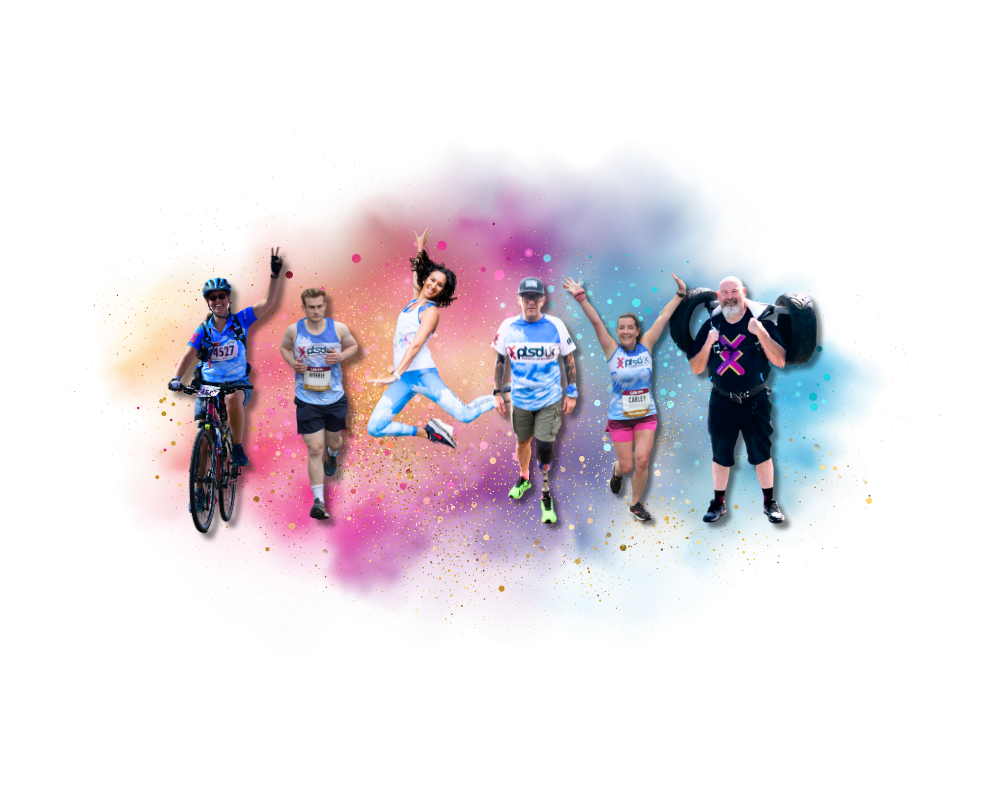
Whether you’re considering iconic events like the Great North Run, exhilarating experiences like skydiving, our unique PTSD UK events such as the Wagathon or Dip a Day December, or planning your own fundraiser, every penny you raise really can change the lives of people affected by PTSD & C-PTSD.
Create Your Own Fundraiser: Make a Difference Your Way
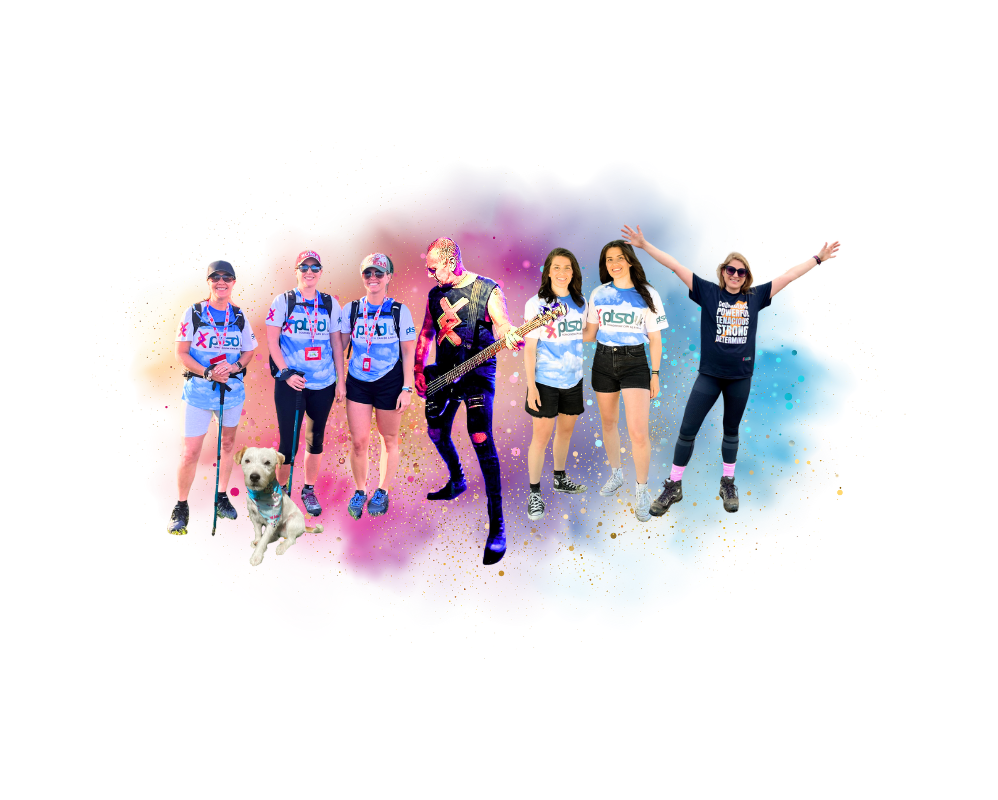
Whether it’s hosting a band night, swimming lengths for sponsorship, taking your dog on a fundraising walk, a sponsored leg wax or head shave, or hiking up Ben Nevis – the choice is yours! Every fundraiser helps us reach more people affected by PTSD & C-PTSD to help change lives.

Find us on Facebook
Join us on Facebook for the latest news, updates, personal stories, helpful articles, and community support. It’s a great place to stay connected and see how your support is making a difference.
Join the Conversation
Find us on Instagram
Follow us on Instagram for powerful quotes, uplifting messages, behind-the-scenes updates, and visual resources designed to support and inspire anyone affected by PTSD or C-PTSD.
Find Daily Inspiration
Find us on TikTok
Catch us on TikTok for quick, engaging videos that raise awareness, share real experiences, and highlight the small steps that can lead to big changes in PTSD and C-PTSD recovery.
Watch & LearnNewsletter sign up to go here