Just over a decade ago, PTSD and C-PTSD were often thought to be lifelong, untreatable conditions. But thanks to ongoing research and a deeper understanding of how trauma affects the brain and body, we now know that both PTSD and C-PTSD can be effectively treated – even many years after the traumatic event took place. This means that no matter how long ago your trauma occurred, it’s never too late to seek help, find relief from your symptoms, and begin to rebuild your life.

Treatment for PTSD and C-PTSD is different for everyone. There’s no one-size-fits-all approach, and what works for one person might not be right for another. Above all, it’s vital to know that PTSD and C-PTSD are not signs of weakness or something you just have to live with. They are natural responses to overwhelming experiences – and with the right support and treatment, healing is possible.

The National Institute for Health and Care Excellence (NICE) guidelines – which set the standard for evidence-based care in the UK – recommend trauma-focused psychological therapies as the first-line treatments. These include EMDR (Eye Movement Desensitisation and Reprocessing) and Trauma-focused Cognitive Behavioural Therapy (CBT). However, there are many other therapeutic approaches that can offer support too including Emotional Freedom Technique (EFT), Internal Family Systems (IFS), Prolonged Exposure Therapy, Art Therapy, Yoga Therapy, and more. Many people also find benefit from somatic therapies, mindfulness, grounding techniques, and other body-based practices that help regulate the nervous system.

In some cases, medication such as antidepressants may be used to help manage symptoms like anxiety, depression, or sleep difficulties. While medication isn’t usually a standalone treatment, it can be a helpful part of a broader recovery plan.

Traumatic events can be very difficult to come to terms with, but confronting and understanding your feelings and seeking professional help is often the only way of effectively treating PTSD and C-PTSD.

How do I make the most of therapy and reach towards recovery?

Treatment for PTSD & C-PTSD can take time, and it’s not always a linear process. Many people are fearful of treatment as they worry it won’t work, or that they need to discuss the trauma in detail, but your therapist will help guide you through these worries. To get the most from your therapist and embrace the healing process from PTSD, here are some tips:

  • Believe: If you don’t believe you can make a full recovery, it will be really difficult to. Trust that you can recover from PTSD & C-PTSD and know that tomorrow can be a new day. Read our case studies about people who have conquered PTSD & C-PTSD and feel their lives have ‘changed forever’.
  • Set goals: It’s all very well saying ‘I want to feel better’ but it’s quite vague and difficult to measure. Start your recovery process clearly with goals such as ‘I want to be able to go out alone’ or ‘I want to be able to sleep a whole night through’ and you can measure these successes as they come along.
  • Get involved: Ask as many questions as you need, understand the process, talk things through. The therapist is there to guide you through recovery and the treatment, but ultimately, you need to do the hard work.
  • Take Action: Recovery only happens because you happen. If you remain passive and static, so will your recovery. Taking actions toward each goal is so important and helps build momentum. Do any follow up work your therapist provides for in-between sessions, and although it may be tough, keep going.
  • Give yourself some ‘me’ time: Recovery can be tough and tiring process, so make sure to give yourself some time off and love. If you can, confide in friends and family about what you’re going through so they can help.
  • Be open: There are lots of approaches to recovery and reducing PTSD & C-PTSD symptoms, so be open to activities and therapies which can augment your main treatment, or help you keep motivated to healing. You can read about many of those here.
  • Build your confidence: PTSD & C-PTSD can knock your confidence, so help your recovery process by doing things to build your self-esteem and worth.
  • Get Support: As you probably know, PTSD & C-PTSD can be very isolating, so try to find one person you can trust and talk things over with during your recovery. If you have no-one, you can call Samaritans on 116 123 for a friendly chat.
  • Work between your session where required: For some therapies like EMDR, you’re best to relax, but for some therapies and processes, there may be ‘work’ to do – speak to your therapist for the best course of action.

If you feel that your recovery isn’t progressing as you’d hoped, it’s important to understand the recovery process to ensure that you’re not putting any blockers in place of your healing.

Choosing a therapist or practitioner

If you are receiving treatment for PTSD or C-PTSD through the NHS, you may be unable to ‘choose’ your therapist, but if you are looking for private treatment, choosing the right therapist for you is really important.

Beyond credentials and experience, it’s important to find a therapist who makes you feel comfortable and safe, so there is no additional fear or anxiety about the treatment itself –  this will set you on the path to recovery that is focused, appropriate and geared toward the sensitive issues that are unique to PTSD & C-PTSD healing.

Some things to bear in mind are:

  • Trust your gut: If a therapist doesn’t feel right, look for someone else. For therapy to work, you need to feel respected and understood.
  • Find a therapist who is specifically trauma-trained: PTSD & C-PTSD treatment and recovery is a complex process that is best undertaken under the direction of someone who truly understands the science behind the symptoms, plus the most important components of healing. Look for a psychologist or therapist who holds qualifications in trauma treatment and approach methods that are documented for PTSD or C-PTSD.
  • Interview or have a trial session where possible: You have the right to ask any questions you feel you need answers to. It can help to make a list of questions to take with you, perhaps about their training, work history, and success with other PTSD clients.

Find out more about how to choose the right therapist for you here.

Please remember, these aren’t meant to be medical recommendations, but they’re tactics that have worked for others and might work for you, too. Be sure to work with a professional to find the best methods for you.

Social MEDIA SHARE THIS PAGE

Join us in supporting the journey toward healing and recovery for everyone with PTSD & C-PTSD

Help us provide vital support, information, and resources across the UK

Printed Support Items

Our Supporters store offers a variety of merchandise to help raise awareness, along with practical items to support your treatment and recovery like our Ink and Insight Toolkit, Emotional Wheel Postcards, PTSD & C-PTSD Symptom Tracker sheets, Safety Plan worksheets and Communication Cards.

Find out more


Printed support items offered by PTSD UK

PTSD UK Supporters’ Store

Every item in our Supporters’ Store helps fund vital work for people affected by PTSD and C-PTSD.

Whether you’re buying for yourself or a loved one, every purchase supports awareness, recovery resources, and access to life-changing information. From empowering T-shirts, beanie hats and wristbands to practical support tools, everything has been created with care — and with hope in mind.

Visit the PTSD UK Supporters Store

PTSD UK Supporters Store items

Insights: The PTSD UK Blog

Your Source for the Latest Support and Advice

Sign up to be a 'Friend of PTSD UK' today!

Unlock exclusive resources, discounts and events: just £5 per month

PTSD UK Impact Report 2025

Our Impact Report shines a light on the real-world difference PTSD UK is making for people affected by PTSD and C-PTSD across the country. Whether it’s helping someone access life-changing therapy, offering trusted information at a critical moment, or raising awareness that leads to understanding — your support is at the heart of it all.

If you’d like to see exactly how we’re turning compassion into action, and hope into healing, take a look at our latest Impact Report.

Read the PTSD UK Impact Report

PTSD UK Impact Report

Supportive Tools

Find grounding exercises, therapy resources and more

STANDARD PAGE TEMPLATE

Workbooks & Downloads

Download transformative workbooks for PTSD healing

STANDARD PAGE TEMPLATE

Books and Videos

Valuable knowledge & support for your healing journey

STANDARD PAGE TEMPLATE

Practical Tools & Guidance

Resources & downloads for practical and tangible support

STANDARD PAGE TEMPLATE

Raising Funds, Changing Lives

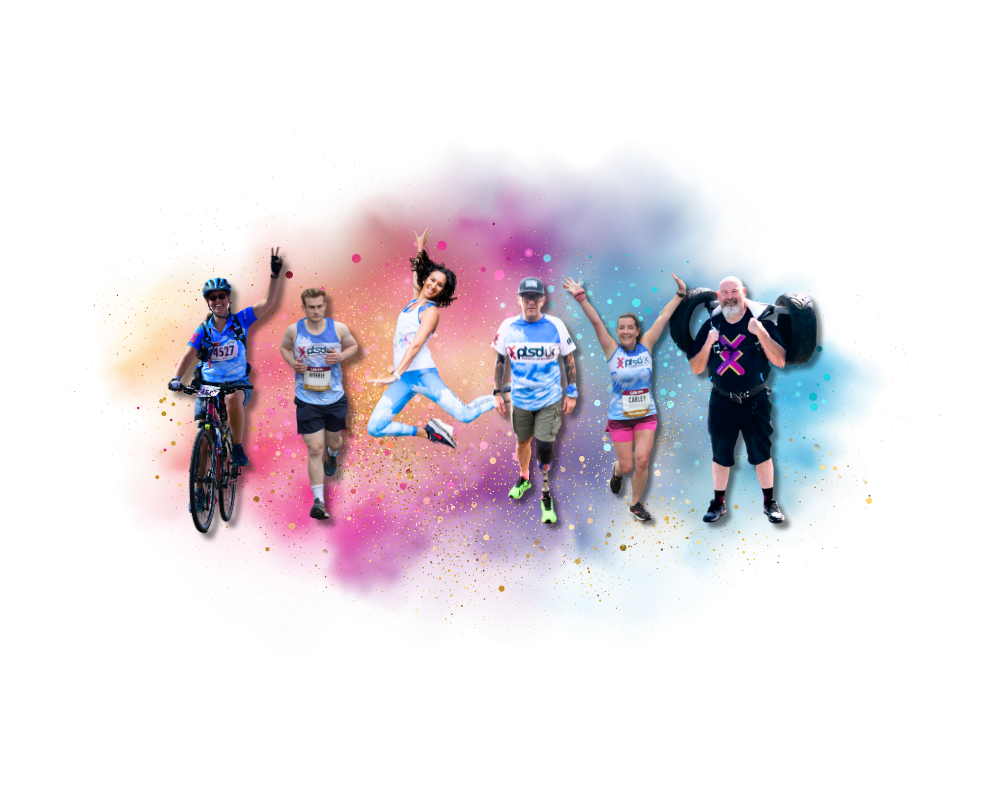
Whether you’re considering iconic events like the Great North Run, exhilarating experiences like skydiving, our unique PTSD UK events such as the Wagathon or Dip a Day December, or planning your own fundraiser, every penny you raise really can change the lives of people affected by PTSD & C-PTSD.

I want to get involved!


People in PTSD UK tshirts

Newsletter sign up to go here

Menu
Search
Basket

No products in the basket.