Guest content by Clare, PTSD/C-PTSD sufferer and Lauren Sharples, Neurofeedback Practitioner, Optiminds
Why traditional talking therapies might not be enough
It is common for people with PTSD to question why they struggle to move on from past events. Although they may come to understand through traditional talking therapies that they are no longer living in a threatening situation, this is often not enough, and they continue to experience symptoms like heightened panic, anxiety, flashbacks and poor sleep.
Traumatic experiences leave an impact not only on the mind, but also on the body. For many people with PTSD, it can be frustrating and disheartening when no matter how hard they try, talking therapies does not seem to work. As Dr Gabor Mate, world renowned author and speaker on the subject of trauma says “Trauma is not what happened to you, trauma is what happened inside of you as a result of what happened to you’’.
If you have PTSD and are stuck in a chronic state of hyperarousal, it can be extremely difficult to relax and engage in the therapeutic process. Trauma is often locked in areas of the brain, like the limbic system, which is not easily accessible through verbal communication and the brain finds it difficult to regulate emotions.
With trauma, this rigidity arises from the brain practicing fear; that is, wiring and rewiring fear circuitry. To really get to the root of trauma symptoms, help is needed to move the nervous system from rigidity, repetition, and reactivity, to complexity, creativity, and stability by addressing these fear circuits.
Enter neurofeedback – a non-verbal approach to healing the traumatised brain
Neurofeedback offers a different path to healing by working directly with the brain’s electrical activity. It doesn’t rely on words, cognitive processing, or even direct engagement with the trauma itself. Instead, it targets the problem at a neurological level, aiming to rebalance and retrain the brain towards stability and flexibility.
Here’s how it works:
Neurofeedback is a non-invasive therapy that works by measuring brain waves through electroencephalography (EEG) and providing real-time feedback to encourage the person to learn how to unconsciously modulate their brain function. Trauma often causes an imbalance in brainwaves, leading to a persistent state of hyperarousal (too many fast, high-frequency brain waves) or hypoarousal (too many slow, low-frequency brain waves). Neurofeedback helps to guide the brain back into a balanced state, promoting relaxation, emotional regulation, improved focus and mental flexibility.
What happens during a neurofeedback session?
During a neurofeedback session, sensors are placed on the head to monitor brainwave activity. As the EEG sensors detect shifts in brainwave patterns, this information is instantaneously translated by the computer and displayed on the screen in the form of visual and auditory feedback. For instance, feedback might manifest as changes in a video game, alterations in sounds, or visual displays.
Our brains are adept at learning from this feedback and start to naturally oscillate differently. Repeated exposure to the presented feedback prompts the brain to recognise the connection between the external cues and its internal activity. When we provide the brain with a mirror of its own function, we are supporting the brain’s inherent capacity to correct itself, make adjustments, and set up new, healthier patterns.
Through associative learning and over repeated sessions, the brain adapts, striving to modify its own activity and begins to move towards its inherent bias of self-regulation.

Harnessing Neuroplasticity
At the core of neurofeedback’s effectiveness lies the brain’s remarkable neuroplasticity – the ability to reorganise and form new neural connections. Neurofeedback leverages this property, encouraging the brain to rewire itself. With consistent training, the brain reshapes its neural networks, gradually honing its capacity to self-regulate. As leading International pioneer of neurofeedback, Sebern Fisher, states in her book ‘Calming the fear driven brain’, when a person is suffering from trauma, the brain is “on fire”, and it is the role of neurofeedback therapists to put the fire out.
Types of Neurofeedback for Supporting PTSD Symptoms
Neurofeedback offers various modalities that can specifically address the symptoms of PTSD. Here are some notable types that are particularly helpful for those looking to heal from trauma:
- Infra-Low Frequency (ILF) Neurofeedback: This approach focuses on the slower brainwave frequencies associated with deep relaxation and emotional processing. ILF neurofeedback aims to stabilise the nervous system and reduce hyperarousal, a common symptom of PTSD.
- Alpha-Theta Neurofeedback: This method promotes a specific brainwave pattern that encourages relaxation and access to unconscious thoughts. By guiding individuals into a hypnagogic state, it is thought that traumatic memories are accessed and processed at a subconscious level and from a witness standpoint rather than reliving the events.
- Synchrony Neurofeedback: This technique aims to promote coherence between different brain regions. By enhancing synchrony, individuals may experience better emotional regulation and reduced anxiety, which are crucial for those suffering from PTSD.
Symptoms Related to PTSD That Can Be Improved Through Neurofeedback
Neurofeedback has shown promise in alleviating various symptoms associated with PTSD, including:
-
Hyperarousal: Many individuals with PTSD experience heightened states of alertness and anxiety. Neurofeedback can help regulate these responses, promoting a calmer state of mind.
-
Intrusive Thoughts and Flashbacks: By enhancing the brain’s ability to process traumatic memories, neurofeedback can reduce the frequency and intensity of intrusive thoughts and flashbacks.
-
Sleep Disturbances: Many PTSD sufferers struggle with insomnia or disrupted sleep patterns. Neurofeedback can aid in achieving a more restful sleep, contributing to overall recovery.
-
Emotional Dysregulation: Neurofeedback can improve emotional regulation, helping individuals manage their feelings and reactions more effectively.
What’s the evidence?
Research from a number of high-impact journals and randomised controlled trials (RCTs) provides robust evidence for neurofeedback’s ability to improve symptoms of PTSD (Post-Traumatic Stress Disorder).
A 2016 RCT published in NeuroImage found that neurofeedback led to significant reductions in hyperarousal symptoms by decreasing excessive beta-wave activity, commonly associated with anxiety and hypervigilance. PTSD patients showed improved emotional regulation and reduced symptoms of anxiety and fear over the treatment period.
A 2017 study published in The Journal of Traumatic Stress demonstrated that neurofeedback targeting brain regions such as the amygdala and prefrontal cortex significantly enhanced emotional regulation. This resulted in fewer emotional outbursts and a better ability to manage emotional triggers.
A 2019 meta-analysis in Neuroscience & Biobehavioral Reviews highlighted neurofeedback’s role in improving trauma processing. The study showed that neurofeedback helped reduce intrusive thoughts, nightmares, and flashbacks by improving communication between the prefrontal cortex and the limbic system, leading to better cognitive flexibility.
These studies demonstrate that neurofeedback can significantly alleviate PTSD symptoms, offering long-term recovery benefits for individuals suffering from trauma-related disorders
Frank H. Duffy (2000), a professor and paediatric neurologist at Harvard Medical school, recently stated that scholarly literature now suggests that neurofeedback “should play a major therapeutic role in many difficult areas. In my opinion, if any medication had demonstrated such a wide spectrum of efficacy it would be universally accepted and widely used”.
A new pathway towards healing
If you haven’t recovered from PTSD with traditional approaches, do not lose hope. There are other options available to you that work directly with the mark that trauma leaves on the brain. Lauren’s experience in the last 10 years at Optiminds has demonstrated the incredible impact that neurofeedback can have on those who feel like they are ‘stuck’ in their trauma.
Clare’s Story
“I came to neurofeedback following a botched attempt at EMDR which worsened my symptoms and resulted in a fear of therapy. After almost a year of struggling through the therapist’s door, and spending most of the therapy session in a dissociated state of panic, I was feeling desperate with the lack of progress. My sleep was disrupted, I was unable to go to work, and my days were interrupted by exhausting flashbacks in response to innocuous triggers. I was gaining minimal or no relief from the techniques recommended to calm my brain. Having read about neurofeedback in ‘The Body Keeps the Score’, by Bessel Van Der Kolk I decided to seek out a neurofeedback practitioner, which was hard as neither my psychiatrist or therapist had any knowledge of neurofeedback.
After an initial assessment of the brainwaves my hyper-aroused brain was making (a quantitative EEG which is similar to an ECG, but of the brain), neurofeedback training commenced. With some small, painless sensors attached to my head with gel, all I needed to do was watch a video for short amounts of time. The computer did all the hard work and rewarded my brain for making calming brain waves whilst inhibiting the generation of brain waves associated with hyperarousal. Side effects were minimal – only the sticky gel in my hair, a very occasional short lasting mild headache, and tiredness. Compared to therapy sessions it felt a complete relief as it was so much less demanding. I didn’t have to think or talk or try to do anything, other than concentrate on watching a video and listen to the sounds. The benefits have been huge; it is a real gamechanger. My sleep has hugely improved, and I have much less hyperarousal. I can now finally access the techniques that I learned in therapy to handle my PTSD symptoms. Trauma related dreams are fewer, and I am less distressed and able to tolerate them when they come. I have been able to start going into work and I now feel safer in therapy. I know I have some way to go but neurofeedback has gradually moved my ‘stuck’ brain into a much better place.”
How to find a practitioner
It is important to find a practitioner who is properly trained and experienced in providing neurofeedback. Neurofeedback needs to be conducted in person. Consider the following when seeking out a suitable practitioner:
- Training Credentials: Look for practitioners who have specific training in neurofeedback. Certifications from organisations like the Biofeedback Certification International Alliance (BCIA) can be a good sign.
- Online Directories: Use directories from professional organisations, such as the Association for Applied Psychophysiology and Biofeedback (AAPB) or the International Society for Neurofeedback and Research (ISNR). These often list certified practitioners by location.
- Consultation: Once you find potential practitioners, schedule a consultation to discuss their approach, experience, and any specific symptoms you want to address. During the consultation, enquire about their methods, session frequency, duration, and any expected outcomes. Look for a practitioner who is honest and open about what neurofeedback can and cannot do and has a knowledge of any possible down-sides.
- Reviews and Testimonials: Look for online reviews or testimonials from previous clients to gauge their experiences.
When exploring your recovery options for PTSD or C-PTSD, it’s essential to find an approach that addresses both the symptoms you’re experiencing and the underlying trauma that caused them. The most effective treatments work not just to manage distress in the moment, but to help your brain process what happened and reduce long-term impact.
In the UK, the NICE guidelines (updated in 2018) recommend a number of trauma-focused psychological therapies for adults with PTSD and C-PTSD. These include Eye Movement Desensitisation and Reprocessing (EMDR), Trauma-focused Cognitive Behavioural Therapy (CBT), Narrative Exposure Therapy (NET) and Prolonged Exposure Therapy (PE). These therapies are backed by extensive research and are considered first-line treatments for PTSD and C-PTSD.
It’s important to remember that recovery isn’t one-size-fits-all. While these approaches have helped many people, everyone’s healing journey is unique. Some people may also find additional support through other therapies, self-help tools, or lifestyle changes.
Please note: nothing here is intended as a medical recommendation. Instead, it’s a guide to help you understand what’s available. Always work with a qualified professional to explore the best treatment options for you.
Social MEDIA SHARE THIS PAGE
-
There is more information on QEEG brain mapping and neurofeedback through Lauren’s website and from the other resources below–
Optiminds Brain Training
https://www.optiminds.org/
contact. International Society for Neurofeedback Research
What is neurofeedback? Video link;
https://www.youtube.com/watch?
v=VULkRdPPVg4&t=143s Books:
‘The Body Keeps the Score’ – Bessel Van der Kolk, M.D.
‘A Symphony in the Brain’ – Jim Robbins
‘Calming the Fear Driven Brain’ – Sebern Fisher
‘The Neurofeedback Solution’ – Stephen Larson, Ph.D.
References for additional reading
-
van der Kolk et al. (2016): This randomized controlled trial, published in PLOS ONE, compared neurofeedback to a waitlist control group. 52 individuals with chronic PTSD received 24 neurofeedback sessions. The study found significant improvements in PTSD symptoms, particularly in areas of affect regulation and executive functioning.
-
Gerin et al. (2016): A systematic review published in Neuroscience & Biobehavioral Reviews analyzed 21 studies on EEG neurofeedback for PTSD. While noting methodological limitations in many studies, the review found evidence supporting neurofeedback’s potential efficacy for PTSD symptoms.
-
Panisch & Hai (2020): This study, published in NeuroRegulation, used a multiple baseline design with 10 PTSD patients. After neurofeedback training, participants showed significant reductions in PTSD symptoms, depression, and anxiety.
-
Reiter et al. (2016): Published in Psychological Trauma: Theory, Research, Practice, and Policy, this study of 21 police officers with duty-related PTSD found significant symptom improvement after neurofeedback training.
-
Noohi et al. (2017): This randomized controlled trial, published in Applied Psychophysiology and Biofeedback, compared neurofeedback to sham neurofeedback in 54 veterans with PTSD. The neurofeedback group showed significant improvements in PTSD symptoms compared to the control group.
-
Kluetsch et al. (2014): While a smaller study (n=21), this research published in Acta Psychiatrica Scandinavica found that even a single session of neurofeedback training altered resting-state brain networks in individuals with PTSD, correlating with reduced anxiety.
-
Askovic et al. (2017): This study, published in Applied Psychophysiology and Biofeedback, examined neurofeedback treatment in refugees with PTSD. The results showed significant reductions in PTSD symptoms and improvements in cognitive function.
-
Askovic et al (2023): This systematic review and meta-analysis of neurofeedback in PTSD was published in the European Journal of Psychotraumatology. It reported that all included studies showed advantages to neurofeedback. There was a significant reduction in symptoms and a remission rate of 79.3% compared to controls of 24.4%.
Join us in supporting the journey toward healing and recovery for everyone with PTSD & C-PTSD
Help us provide vital support, information, and resources across the UK
Printed Support Items
Our Supporters store offers a variety of merchandise to help raise awareness, along with practical items to support your treatment and recovery like our Ink and Insight Toolkit, Emotional Wheel Postcards, PTSD & C-PTSD Symptom Tracker sheets, Safety Plan worksheets and Communication Cards.

Insights: The PTSD UK Blog
Your Source for the Latest Support and Advice

AAA STANDARD BLOG POST
Lorem ipsum dolor sit amet, consectetur adipiscing elit. Donec tortor tortor, facilisis eu imperdiet sit amet, semper eget urna. Quisque sit amet erat risus. Pellentesque habitant morbi tristique senectus et netus et malesuada fames ac turpis egestas.
Read article
Why does Post Traumatic Stress Disorder make you so tired?
Lorem ipsum dolor sit amet, consectetur adipiscing elit. Donec tortor tortor, facilisis eu imperdiet sit amet, semper eget urna. Quisque sit amet erat risus. Pellentesque habitant morbi tristique senectus et netus et malesuada fames ac turpis egestas.
Read article
Hello world!
Lorem ipsum dolor sit amet, consectetur adipiscing elit. Donec tortor tortor, facilisis eu imperdiet sit amet, semper eget urna. Quisque sit amet erat risus. Pellentesque habitant morbi tristique senectus et netus et malesuada fames ac turpis egestas.
Read article
Hello world!
Lorem ipsum dolor sit amet, consectetur adipiscing elit. Donec tortor tortor, facilisis eu imperdiet sit amet, semper eget urna. Quisque sit amet erat risus. Pellentesque habitant morbi tristique senectus et netus et malesuada fames ac turpis egestas.
Read article
Hello world!
Lorem ipsum dolor sit amet, consectetur adipiscing elit. Donec tortor tortor, facilisis eu imperdiet sit amet, semper eget urna. Quisque sit amet erat risus. Pellentesque habitant morbi tristique senectus et netus et malesuada fames ac turpis egestas.
Read articleSign up to be a 'Friend of PTSD UK' today!
Unlock exclusive resources, discounts and events: just £5 per month
PTSD UK Impact Report 2025
Our Impact Report shines a light on the real-world difference PTSD UK is making for people affected by PTSD and C-PTSD across the country. Whether it’s helping someone access life-changing therapy, offering trusted information at a critical moment, or raising awareness that leads to understanding — your support is at the heart of it all.
If you’d like to see exactly how we’re turning compassion into action, and hope into healing, take a look at our latest Impact Report.

Practical Tools & Guidance
Resources & downloads for practical and tangible support
STANDARD PAGE TEMPLATERaising Funds, Changing Lives
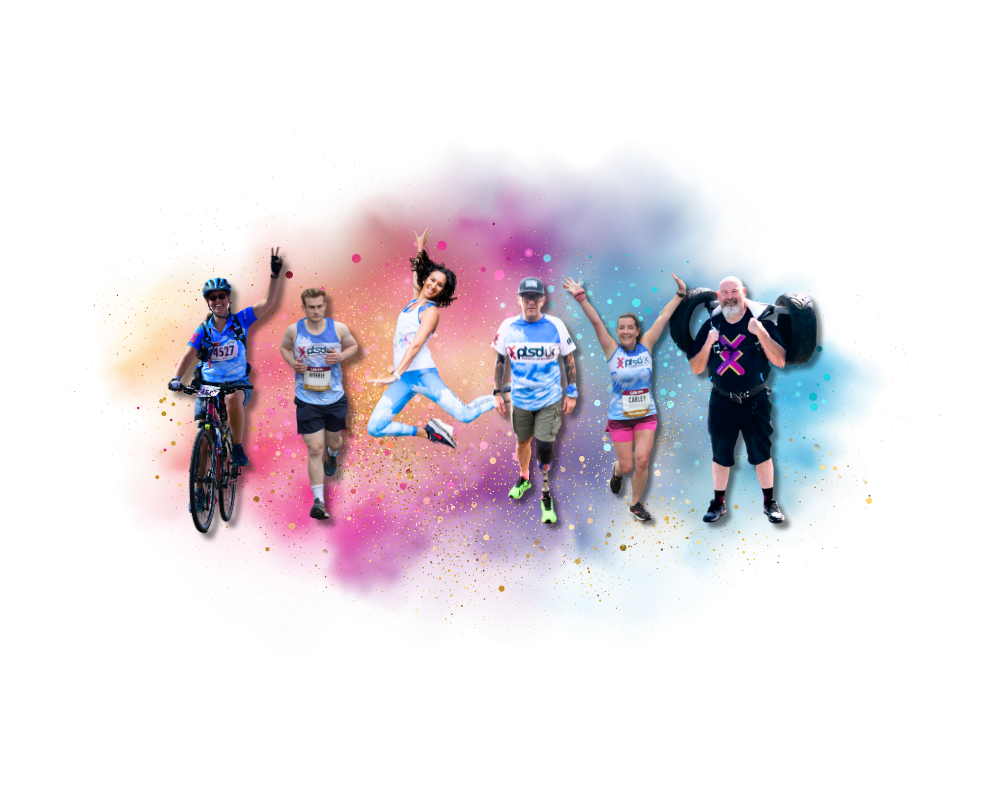
Whether you’re considering iconic events like the Great North Run, exhilarating experiences like skydiving, our unique PTSD UK events such as the Wagathon or Dip a Day December, or planning your own fundraiser, every penny you raise really can change the lives of people affected by PTSD & C-PTSD.

Find us on Facebook
Join us on Facebook for the latest news, updates, personal stories, helpful articles, and community support. It’s a great place to stay connected and see how your support is making a difference.
Join the Conversation
Find us on Instagram
Follow us on Instagram for powerful quotes, uplifting messages, behind-the-scenes updates, and visual resources designed to support and inspire anyone affected by PTSD or C-PTSD.
Find Daily Inspiration
Find us on TikTok
Catch us on TikTok for quick, engaging videos that raise awareness, share real experiences, and highlight the small steps that can lead to big changes in PTSD and C-PTSD recovery.
Watch & LearnNewsletter sign up to go here