Post-traumatic stress disorder is a different experience for everyone, making it important to find the therapies and support that best suit you when working towards sustainable recovery. 

The one thing that’s universal is the need to ‘take the plunge’ and find activities that improve symptom management, and which make you feel stronger and more resilient. We have covered lots of options and ideas on this website.

One of the less-known ways to help manage PTSD symptoms is to literally take the plunge by joining the increasingly popular wild swimming movement.

What is wild swimming?

Any kind of physical activity releases hormones that can boost mood. Exercise also improves your health and makes you tired, which promotes better sleep patterns. This includes swimming lengths at your local leisure centre or joining a swimming club to combine physical activity with social interaction.

However, being in a noisy public pool and walking around in swimwear in front of others is certainly not for everyone! In fact, this situation could escalate your anxiety, and be an echo chamber for sounds that trigger extreme PTSD-related reactions.

Wild swimming offers you a way to enjoy exercising in water in a far more private and peaceful way. It could be in the sea, or a lake, river or sizeable pond. There are even waterfalls in the UK where wild swimming is possible.

How can wild swimming help people with PTSD?

“Exercise makes us happy. When you increase your heart rate by exercising, your brain recognises it as stress. Your body responds by releasing a protein called Brain-Derived Neurotrophic Factor (BDNF), which helps protect and repair your memory neurons. At the same time, you release endorphins which block the discomfort of exercise and make you feel euphoric.

Exercising outdoors is even more effective. In 2015, researchers studied the effect of exercise with simulated views of natural environments. A group of post-menopausal women were asked to do 15 minutes on an exercise bike while facing either a blank wall (control) or watching project videos of urban (grey), countryside (green) or coast (blue) environments. The test showed the most positive psychological results in the women who exercised in front of the blue video.

Bring together those three elements, camaraderie, exercise and blue views, and you start to understand why swimming outdoors has such a profound effect on our sense of wellbeing. But more recent research is starting to expand theories there are also physiological benefits from the cold water itself.”

Cold water therapy

Apart from a sense of adventure and a connection to nature, swimming in open waters is a form of cold water therapy. This has been found to be highly beneficial in treating anxiety, depression and other mental health issues.

In September 2018, the British Medical Journal published a case report about the theories around cold water adaptation as a treatment for depression, and the findings are very important as part of understanding how it can help people wth PTSD too. “The theory is around our stress response and inflammation. Immersing yourself in cold water puts your body into fight or flight mode. Starting with the cold-water shock response, dipping into cold water puts your body under stress. As you repeat this experience, you diminish this stress response.” Obviously, for people with PTSD,  having some degree of control on your stress response can be hugely beneficial.

“This diminished stress response is about activating the parasympathetic nervous system. Known as the ‘rest and digest’ system, the parasympathetic nervous system is responsible for slowing your heart rate and increasing intestinal and gland activity.

A key part of this system is the vagus nerve, which connects your brain to organs including your heart and lungs. It’s the tone of this vagus nerve that relates to mental health; if you have high vagal tone, your parasympathetic nervous system is working and that means that your body can relax faster after stress. One way in which you can stimulate the vagus nerve and increase vagal tone is through cold water adaption. And this has been shown to help a range of mental health and nervous conditions from depression and anxiety to chronic fatigue, tinnitus and Alzheimer’s.”

In addition, cold water exposure increases metabolism, boosts alertness and creates a rush of adrenaline. Participants describe feeling fresh and ‘truly alive”.

For an anecdotal viewpoint, you could watch this video: https://fb.watch/5o-MwWOs6Q/

The simple act of floating or swimming in repetitive movements can bring a great sense of calm too.

Important safety information

The whole point of wild swimming is that it brings a sense of adventure, and gets you out in the natural world, away from everyday pressures and triggers.

That doesn’t mean you can dive into any body of water, without a backward glance!

You must be very conscious of the safety issues involved. This includes the tide times along the British coast, and any spots notorious for fast currents and rip tides. There are also bodies of water in the UK such as reservoirs where swimming is dangerous!

Also, please be careful not to trespass on private land.

Finding wild swimming locations

There are organisations you can join and online guides to help you find the best, safest places to swim in the open.

For instance, the Outdoor Swimming Club on Facebook has over 75,000 members. Books and social media support are also available from The Wild Swimming Club.

Alternatively, there are companies who can take you on coastal orienteering and wild swimming expeditions, if you like safety in numbers!

Or, explore your nearest coastal resort for groups of people who swim in the sea daily. They are always happy for people to join them.

If you’re thinking about trying cold water swimming, these tips from Outdoorswimmer.com are a great starting point:

  • Join a local group for safety and that all-important camaraderie. Start now and dip at least once a week to stay acclimatised
  • Get in quickly – it takes 90-120 seconds for the initial cold-water shock to wear off
  • Never jump in – hyperventilating underwater is bad!
  • Gently exhale as you enter the water
  • Listen to your body and don’t stay in for too long
  • Bring layers, a warm drink and a hat for afterwards

The rewards of wild swimming are clear to see, including exercising in the fresh air, making a connection with the natural world, and challenging yourself. Just remember, if you are going wild, tell people where you’re going and please put safety first!

When exploring your recovery options for PTSD or C-PTSD, it’s essential to find an approach that addresses both the symptoms you’re experiencing and the underlying trauma that caused them. The most effective treatments work not just to manage distress in the moment, but to help your brain process what happened and reduce long-term impact.

In the UK, the NICE guidelines (updated in 2018) recommend a number of trauma-focused psychological therapies for adults with PTSD and C-PTSD. These include Eye Movement Desensitisation and Reprocessing (EMDR), Trauma-focused Cognitive Behavioural Therapy (CBT), Narrative Exposure Therapy (NET) and Prolonged Exposure Therapy (PE). These therapies are backed by extensive research and are considered first-line treatments for PTSD and C-PTSD.

It’s important to remember that recovery isn’t one-size-fits-all. While these approaches have helped many people, everyone’s healing journey is unique. Some people may also find additional support through other therapies, self-help tools, or lifestyle changes.

Please note: nothing here is intended as a medical recommendation. Instead, it’s a guide to help you understand what’s available. Always work with a qualified professional to explore the best treatment options for you.

Social MEDIA SHARE THIS PAGE

Join us in supporting the journey toward healing and recovery for everyone with PTSD & C-PTSD

Help us provide vital support, information, and resources across the UK

Printed Support Items

Our Supporters store offers a variety of merchandise to help raise awareness, along with practical items to support your treatment and recovery like our Ink and Insight Toolkit, Emotional Wheel Postcards, PTSD & C-PTSD Symptom Tracker sheets, Safety Plan worksheets and Communication Cards.

Find out more


Printed support items offered by PTSD UK

Insights: The PTSD UK Blog

Your Source for the Latest Support and Advice

Sign up to be a 'Friend of PTSD UK' today!

Unlock exclusive resources, discounts and events: just £5 per month

PTSD UK Impact Report 2025

Our Impact Report shines a light on the real-world difference PTSD UK is making for people affected by PTSD and C-PTSD across the country. Whether it’s helping someone access life-changing therapy, offering trusted information at a critical moment, or raising awareness that leads to understanding — your support is at the heart of it all.

If you’d like to see exactly how we’re turning compassion into action, and hope into healing, take a look at our latest Impact Report.

Read the PTSD UK Impact Report

PTSD UK Impact Report

Supportive Tools

Find grounding exercises, therapy resources and more

STANDARD PAGE TEMPLATE

Workbooks & Downloads

Download transformative workbooks for PTSD healing

STANDARD PAGE TEMPLATE

Books and Videos

Valuable knowledge & support for your healing journey

STANDARD PAGE TEMPLATE

Practical Tools & Guidance

Resources & downloads for practical and tangible support

STANDARD PAGE TEMPLATE

Raising Funds, Changing Lives

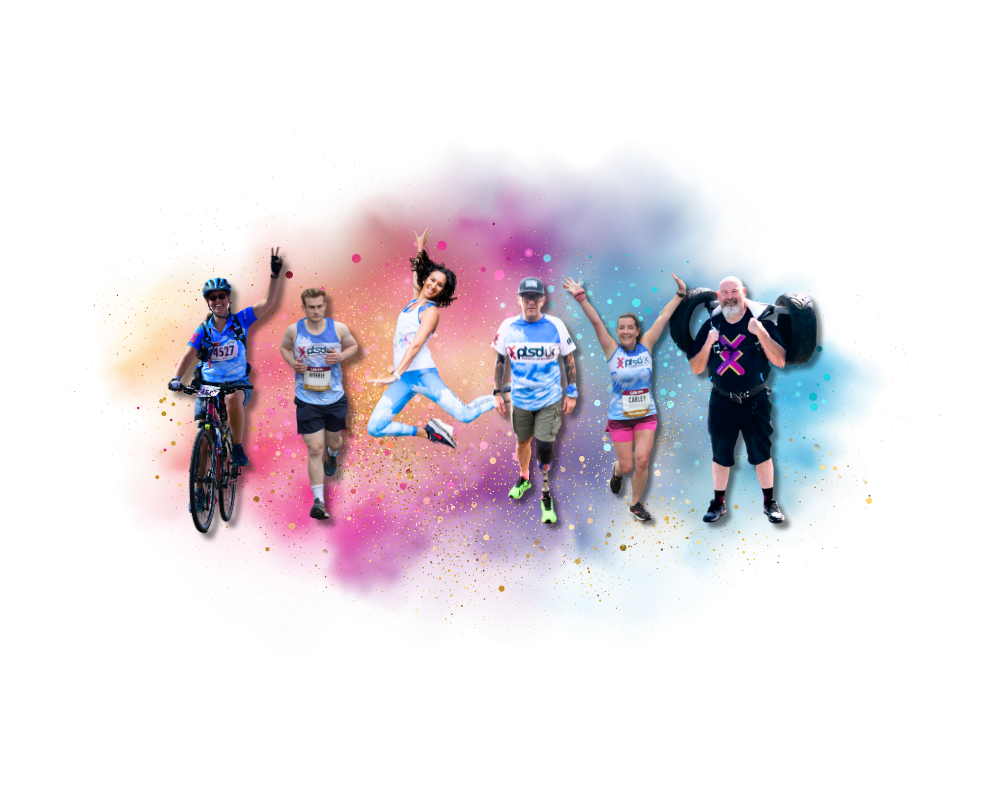
Whether you’re considering iconic events like the Great North Run, exhilarating experiences like skydiving, our unique PTSD UK events such as the Wagathon or Dip a Day December, or planning your own fundraiser, every penny you raise really can change the lives of people affected by PTSD & C-PTSD.

I want to get involved!


People in PTSD UK tshirts

Newsletter sign up to go here

Menu
Search
Basket

No products in the basket.