The physical and mental benefits of everything from gentle jogging to serious running are well known and exercise (particularly running) can help reduce the symptoms of Post Traumatic Stress Disorder (both PTSD and C-PTSD).


Research from the University of Texas concluded that participants who ran for 30 minutes immediately before their talk therapy session reported a steeper decline in PTSD symptoms, compared to those participants who had talk-therapy alone.

The reduction in symptoms is thought to be down to a boost in levels of a brain protein called brain-derived neurotrophic factor (BDNF) from running. This BDNF protein helps the brain adapt to stressors and repair itself, but is generally low in people with PTSD or C-PTSD.  It is also involved with learning and memory and so plays a role in fear extinction by helping the brain establish context, and therefore a sense of safety.

The studies showed that those participants who exercised had increased levels of BDNF and became more receptive to therapy, which in turn, helped reduce the severity of their PTSD and C-PTSD symptoms.

Joseph Miller said of the effect running has on his PTSD symptoms ‘Running is not a cure-all, but it continuously makes me better at dealing with PTSD, gives me the courage to face triggers, and the confidence that comes from facing a problem head on’.

As a frequent ultra-marathon runner, he commented ‘The unmistakable “that-guy-is-a-bad-ass” look on peoples’ faces a couple times a week really makes me confident. After all, if you have PTSD, then you are a badass. You endured something so miserable it damaged your brain. That is awesome, not shameful, and it is valuable to take some time everyday and remind yourself of that… Ultra-running will always be a doorway to feeling the way you should, and might also teach you more about yourself and how hard you can go. Sign up for your first ultra and let it break you, because that will remind you that you know how to drive on when you are broken.’

Charissa Jackson speaks equally is highly of the benefits of running on her PTSD symptoms, ‘But whenever those awful moments surface, I tap into what has proved to be my most vital medicine: exercise. Running and weight lifting help me shed PTSD like other people shed pounds.’

How else can running help people with PTSD?

Running can also make you feel like you are testing yourself and focusing on something positive. In effect, you are reflecting your body’s natural ‘fight or flight’ response to trauma. However, by running at your own pace – for however long you want – you are gaining an important degree of control. It can also be a great way to distract yourself from rumination.

If you need the safety of a gym, that’s fine, but many people love the fact you can run in the fresh air anytime, anywhere, free of charge. You just need sensible footwear and breathable clothing.

Running can have a positive effect on your mood, not least from the sense of accomplishment when you map and measure each day’s achievement. It can also bring back the sense of freedom and release you got when you were a child, running around playing ‘tag’ or just for the sake of it!

Running affects your hormones too, releasing endorphins that trigger positivity. Which is one of the main reasons that extensive research has found running can decrease depression.

The value of running links with other therapies and programmes that focus on the connection between emotional response and muscle tension – such as Progressive Muscle Relaxation, and Tension and Trauma Releasing Exercises (TRE).

Added to that, all cardiovascular exercise boosts energy levels, focus and interest in food, and often helps people to sleep better.

Ideas to use running for PTSD relief

There is no set formula for how to use running to de-stress and release muscle tension. Though some people with PTSD or C-PTSD find running in conjunction with meditation is especially beneficial. You can do initial breathing exercises to reach a meditative state, letting the rhythm of your steps improve your level of calmness.

If your hypervigilance allows, you can use music to enhance the experience and deepen the relaxation and release you might feel.

Why is running is not a universal therapy tool for PTSD?

The reason why running may not be suitable for everyone with PTSD or C-PTSD is also rooted in fundamental science. Severe anxiety can affect your heart rate, breathing and muscle tension, all of which contribute to a cluster of symptoms known as hyperarousal.

Physical arousal from running can actually trigger a response that’s too similar, echoing the impact of PTSD and C-PTSD. This is one of the main reasons some people with PTSD or C-PTSD actively avoid strenuous exercise.

Alternative to running and things to watch out for

It’s important to remember however that what helps one person, may trigger anxiety and panic in others. Running – like many other therapies and activities to ease PTSD or C-PTSD symptoms – is something you should test and adapt to find what works best for you.

If you have underlying medical conditions that may create boundaries or risks please check with a doctor before starting regular running sessions. Also, learn to walk before you run! In other words, take things slowly and build up speed, distance and resistance (such as hills) gradually to avoid injury.

Test whether running alone, with a friend or in a group provides the most tension release and emotional comfort. Of course, running can be a therapeutic exercise carried out on a treadmill, if that is more comfortable. If you do find it doesn’t help or even increases your anxiety levels, try another aerobic exercise such as dancing, cycling, swimming or fitness classes.

The founder of PTSD UK found that she couldn’t go out running alone due to hypervigilance, so looked at alternatives, ‘I felt that I needed to get rid of the adrenaline coursing through my body – it was so electric and overwhelming – so I joined a gym. On the days I felt strong enough to get to the gym, I did the ‘safe’ classes – aqua-aerobics and dance aerobics – they consisted of me and lots of lovely retired ladies, so I felt safer than being out and about running on my own. It really helped me ‘use up’ that adrenaline, and I felt much better that day’.

When exploring your recovery options for PTSD or C-PTSD, it’s essential to find an approach that addresses both the symptoms you’re experiencing and the underlying trauma that caused them. The most effective treatments work not just to manage distress in the moment, but to help your brain process what happened and reduce long-term impact.

In the UK, the NICE guidelines (updated in 2018) recommend a number of trauma-focused psychological therapies for adults with PTSD and C-PTSD. These include Eye Movement Desensitisation and Reprocessing (EMDR), Trauma-focused Cognitive Behavioural Therapy (CBT), Narrative Exposure Therapy (NET) and Prolonged Exposure Therapy (PE). These therapies are backed by extensive research and are considered first-line treatments for PTSD and C-PTSD.

It’s important to remember that recovery isn’t one-size-fits-all. While these approaches have helped many people, everyone’s healing journey is unique. Some people may also find additional support through other therapies, self-help tools, or lifestyle changes.

Please note: nothing here is intended as a medical recommendation. Instead, it’s a guide to help you understand what’s available. Always work with a qualified professional to explore the best treatment options for you.

Social MEDIA SHARE THIS PAGE

Join us in supporting the journey toward healing and recovery for everyone with PTSD & C-PTSD

Help us provide vital support, information, and resources across the UK

Printed Support Items

Our Supporters store offers a variety of merchandise to help raise awareness, along with practical items to support your treatment and recovery like our Ink and Insight Toolkit, Emotional Wheel Postcards, PTSD & C-PTSD Symptom Tracker sheets, Safety Plan worksheets and Communication Cards.

Find out more


Printed support items offered by PTSD UK

Insights: The PTSD UK Blog

Your Source for the Latest Support and Advice

Sign up to be a 'Friend of PTSD UK' today!

Unlock exclusive resources, discounts and events: just £5 per month

PTSD UK Impact Report 2025

Our Impact Report shines a light on the real-world difference PTSD UK is making for people affected by PTSD and C-PTSD across the country. Whether it’s helping someone access life-changing therapy, offering trusted information at a critical moment, or raising awareness that leads to understanding — your support is at the heart of it all.

If you’d like to see exactly how we’re turning compassion into action, and hope into healing, take a look at our latest Impact Report.

Read the PTSD UK Impact Report

PTSD UK Impact Report

Supportive Tools

Find grounding exercises, therapy resources and more

STANDARD PAGE TEMPLATE

Workbooks & Downloads

Download transformative workbooks for PTSD healing

STANDARD PAGE TEMPLATE

Books and Videos

Valuable knowledge & support for your healing journey

STANDARD PAGE TEMPLATE

Practical Tools & Guidance

Resources & downloads for practical and tangible support

STANDARD PAGE TEMPLATE

Raising Funds, Changing Lives

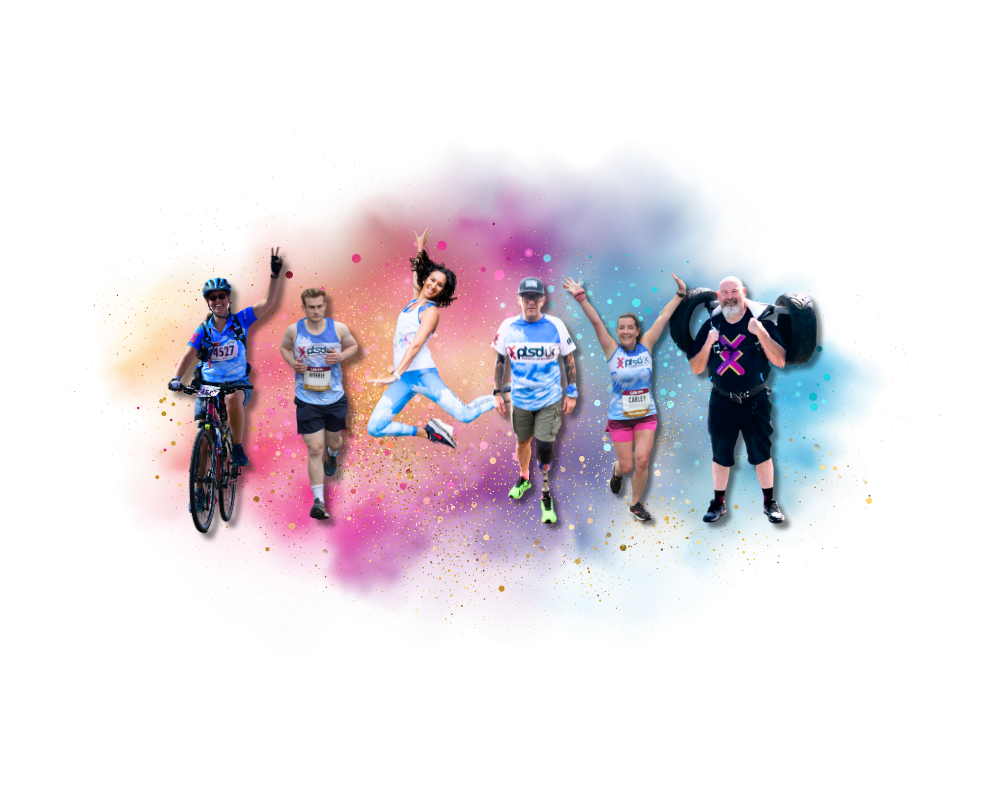
Whether you’re considering iconic events like the Great North Run, exhilarating experiences like skydiving, our unique PTSD UK events such as the Wagathon or Dip a Day December, or planning your own fundraiser, every penny you raise really can change the lives of people affected by PTSD & C-PTSD.

I want to get involved!


People in PTSD UK tshirts

Newsletter sign up to go here

Menu
Search
Basket

No products in the basket.