‘Grounding’ is a practice that can help you pull away from flashbacks, unwanted memories, and negative or challenging emotions. These techniques may help distract you from what you’re experiencing and refocus on what’s happening in the present moment.
For many people with PTSD, or C-PTSD, they ‘forget’ to, or simply cannot, practise complex techniques when they are in the midst of a flashback, intrusive memory or panic attack (the experiences are too strong and distracting), but we have compiled a list of tips that people with these conditions have found useful in these situations.
We always feel a lived experience, and real examples from people with PTSD or C-PTSD are far more useful that general techniques – and although everyone’s experience of the condition is different, we hope that some of the tips shared here by our supporters, can help ‘bring you back’ and focus when you find it difficult.
  • I name everything I can see as fast as I can, I try to picture the words in my mind
  • If I’m listening to music I try to picture the lyrics as words in my mind
  • I started writing down words of feelings and emotions or unwanted thoughts. You can keep it or burn or screw it up and throw away
  • I use art for my PTSD and I have found that having lots of art supplies around me at home and being able to touch paint brushes etc really helps me when i am triggered
  • Running cold water over my wrists (easy to do at work and other peoples houses)
  • I listen to the ticking of my watch, and try to shut out everything except the ticking, I also use the ticking to control my breathing
  • Stamping my feet and I twiddle my thumbs
  • I also use 1 to 5 breathing. Breathe in for 1, breathe out for 1, breathe in for 2, breathe out for 2 and so on till 5 or 6, taking in as much oxygen as I can
  • If I’m alone, which I frequently am, I hold my own hand and try to imagine I’m not alone. It stops me from digging my nails into my hands
  • Say ‘I am safe’, take a deep breath, relax my muscles from scalp to toes. Repeat
  • If I’m with a person or talking on the phone I describe the room or place I’m in with lots of sensory details
  • Smelling essential oils works best for me initially when I’m dissociating.
  • I tell myself ‘that was then, this is now, it did happen but it will not anymore’
  • I sit outside and listen to birds and trees blowing and if its raining its even better and deep breaths, it calms me down
  • I have recently used my feet, I curl them up tight and then stretch them out I use it in conjunction with others or sometimes alone it helps me focus in my feet and not my body
  • I take myself off in my imagination to a forest. I sit on the grass under a tree and look up and focus on the sunlight I can see through the leaves. The more I focus on the different greens of the leaves, the smell of the grass under me and the sound of the birds and light wind through the trees, the calmer I feel
  • Easy distractions of calm things like looking at the horizon. Gaze at the clouds and stars
  • Basic house chores. Clean something to shiny goodness
  • I collect crystals, holding them while I take deep breaths helps bring me back
  • Talking to myself… I’m forever doing it
  • For me is praying
  • Walking barefoot on grass and noticing the sensations
  • Smells: I began to carry an orange in my pocket, digging my nails into it, the sharp smells and tactile nature of it, started to associate the smell with an alert to breathe
  • Spelling words out loud or counting back in sevens
  • Voice recordings of a person who makes me feel safe
  • Looking around me and spotting a ‘thing’ for every letter of the alphabet
  • Stand up, close my eyes and stand on one leg for 30 seconds and to then do it again on the other leg: it triggers the logical part of your brain
  • I tap or press between my nose and top lip
  • I smell my dogs neck and ears if I’m at home. Or ask for a very long, very tight hug from my husband (a hug from anyone else like that wouldn’t work in that moment as he’s the only person I trust implicitly.
  • Saying I’m safe over and over
  • I do times tables in my head when I’m feeling a panic attack coming on in public
  • If at home I tend to put headphones on and listen to shamanic drumming. It’s not for everyone but it works for me as it’s got a very grounding rhythm
  • Talking myself down, telling myself I’m safe, it’s okay, I’m in the present; look around the room, noting it’s my house, noting the date, noting I am alone, reiterating I am safe
  • I find the 5, 4, 3, 2, 1 thing really good: 5 things you can see, 4 you can touch, 3 you can hear, 2 you can smell, 1 you can taste. They’re quite flexible so you can swap them around if you’re somewhere noisy or it’s dark at night, or you’re eating
  • I lift weights, simple bicep curls with dumbbells. I just have them lying about so I can immediately channel it into something else
  • I have tried just eating or drinking something that is attached to recent nice memory to remind me of the ‘me’ now
  • I draw circles on the palm of my left hand with my right hand fingers and try to focus on breathing in and out and how that feels. I find this that I can do this anywhere any time, it doesn’t matter if I’m not home
  • Another thing I do is keep a hair band that feels quite rough to the touch near my exercise area (as I was feeling I needed something after exercising and during stretching / meditating). It’s horrible as a hair band as it pulls so much but that’s what makes it great for grounding when I touch it. I’ve not needed it for a while but it’s there just in case which is reassuring in itself
  • Touching something soft, smelling something nice, focus on something pretty that’s around me like flowers etc. (Try to keep things in my pocket incase there’s nothing around)
  • I carry a small pouch of lavender cuttings. The smell drags me out of what ever I’m feeling and puts me back into an English garden
  • I found a picture where I was truly happy and relaxed, I carried it round with me to start with, eventually the memory was so strong I didn’t need it to physically look at. When I was in a state I would think about how I felt at the time of the happy picture, remember the smells, sounds, people there, colours etc and it always helped
  • I use a portable flashing colour changing LED bulb pull light , I have one in my living room and two by my bath as I struggle with bathing , the light makes moving reflections which I stare into
  • Fingers and toes. I focus on my toes and feet, feeling the surface underneath. If I’m sitting, my fingertips feel the chair or sofa I’m on, concentrating on the space I’m in, here and now. My mantra is ‘now and here’ ‘here and now’ I repeat it mentally to bring me back out
  • Splashing cold water on your face or sucking on an ice cube
  • I have a favourite place I visit back in my head. I take myself off to that small bar on the beach in Lanzarote and look out to sea at Fuerteventura in the distance and I can smell the sea, hears the waves and the warmth of the sun on my face and I just drift off
  • I shake myself off. it looks really weird when I’m out but it’s almost like shaking myself out of it and back to the present
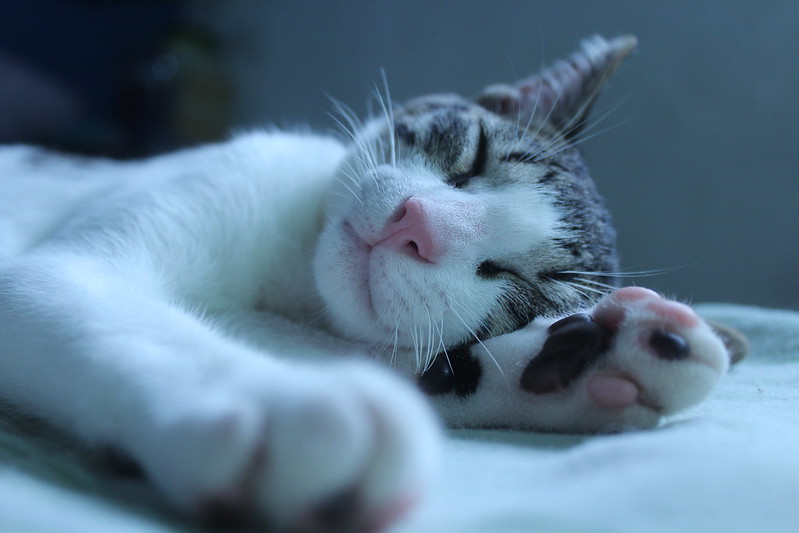
  • I use my cats for help. I get them to purr and the sound of that calms me.
    Also smoothing their fur is calming too
  • Cold water on the back of the neck and hands, and forehead. Or just water in the face sometimes works

When exploring your recovery options for PTSD or C-PTSD, it’s essential to find an approach that addresses both the symptoms you’re experiencing and the underlying trauma that caused them. The most effective treatments work not just to manage distress in the moment, but to help your brain process what happened and reduce long-term impact.

In the UK, the NICE guidelines (updated in 2018) recommend a number of trauma-focused psychological therapies for adults with PTSD and C-PTSD. These include Eye Movement Desensitisation and Reprocessing (EMDR), Trauma-focused Cognitive Behavioural Therapy (CBT), Narrative Exposure Therapy (NET) and Prolonged Exposure Therapy (PE). These therapies are backed by extensive research and are considered first-line treatments for PTSD and C-PTSD.

It’s important to remember that recovery isn’t one-size-fits-all. While these approaches have helped many people, everyone’s healing journey is unique. Some people may also find additional support through other therapies, self-help tools, or lifestyle changes.

Please note: nothing here is intended as a medical recommendation. Instead, it’s a guide to help you understand what’s available. Always work with a qualified professional to explore the best treatment options for you.

Social MEDIA SHARE THIS PAGE

  • Coming Soon

Join us in supporting the journey toward healing and recovery for everyone with PTSD & C-PTSD

Help us provide vital support, information, and resources across the UK

Printed Support Items

Our Supporters store offers a variety of merchandise to help raise awareness, along with practical items to support your treatment and recovery like our Ink and Insight Toolkit, Emotional Wheel Postcards, PTSD & C-PTSD Symptom Tracker sheets, Safety Plan worksheets and Communication Cards.

Find out more


Printed support items offered by PTSD UK

Insights: The PTSD UK Blog

Your Source for the Latest Support and Advice

Sign up to be a 'Friend of PTSD UK' today!

Unlock exclusive resources, discounts and events: just £5 per month

PTSD UK Impact Report 2025

Our Impact Report shines a light on the real-world difference PTSD UK is making for people affected by PTSD and C-PTSD across the country. Whether it’s helping someone access life-changing therapy, offering trusted information at a critical moment, or raising awareness that leads to understanding — your support is at the heart of it all.

If you’d like to see exactly how we’re turning compassion into action, and hope into healing, take a look at our latest Impact Report.

Read the PTSD UK Impact Report

PTSD UK Impact Report

Supportive Tools

Find grounding exercises, therapy resources and more

STANDARD PAGE TEMPLATE

Workbooks & Downloads

Download transformative workbooks for PTSD healing

STANDARD PAGE TEMPLATE

Books and Videos

Valuable knowledge & support for your healing journey

STANDARD PAGE TEMPLATE

Practical Tools & Guidance

Resources & downloads for practical and tangible support

STANDARD PAGE TEMPLATE

Raising Funds, Changing Lives

Whether you’re considering iconic events like the Great North Run, exhilarating experiences like skydiving, our unique PTSD UK events such as the Wagathon or Dip a Day December, or planning your own fundraiser, every penny you raise really can change the lives of people affected by PTSD & C-PTSD.

I want to get involved!


People in PTSD UK tshirts

Newsletter sign up to go here

Menu
Search
Basket

No products in the basket.