One of the most robust ways to address the symptoms of PTSD is to engage in various types of exposure-focused cognitive behaviour therapy. Though it’s always vital this is done with the support of a trained professional in the technique.

Exposure therapy aims to tackle avoidance, and instead encourages the individual to change their learned behaviours and manage emotional responses. They are designed to explore traumatic events and experiences, as well as their reaction to them.

Behavioural therapy involving ‘prolonged exposure’ helps the person to achieve these goals over a period of time, in a place of safety. This gradually reduces the power that traumatic memories and cues have. Ultimately taking the individual to a state of acceptance and making them more comfortable with reminders.

This article will answer questions such as ‘How does prolonged exposure work?’ and will show its relevance to addressing the symptoms of post-traumatic stress disorder.

What does prolonged exposure therapy for PTSD involve?

To address PTSD symptoms, this therapy is usually delivered in weekly sessions, over a period of three months. The therapist would use various techniques to give the individual a sense of safety and inclusion, especially breathing exercises to combat heightened anxiety.

Sessions involve exposure to both the source and effects of trauma, but this is managed carefully to ensure it doesn’t become overwhelming or harmful.

It involves a combination of:

Imaginal exposure – The individual imagines the event and experience, confronts their fears, and starts to process their responses. This is recorded, so further consideration and discussion can address the issue and reactions. They can even take the recording home, for self-managed reflection.

In vivo exposure – This happens outside the therapy session. The individual and therapist agree on a series of challenges, often something the individual has been actively avoiding. The person with PTSD is tasked with facing that fear. Such as purposefully encountering a person or situation that triggers memories and emotions. The aim is to show that the individual can manage their reaction and stay in control.

There are also therapists who also use the following:

Interoceptive exposure – The person with PTSD is guided to experience the physical reactions and feelings that are linked to their trauma. For example, hyperventilation, palpitations, gastrointestinal distress, and head shaking. The principle of interoceptive exposure is that the person learns greater tolerance of these sensations, dismantles incorrect assumptions (such as they will die from distressed breathing) and learns to manage them.

The development of prolonged exposure therapy

This option to alleviate PTSD has its roots in Emotional Processing Theory, which has been used for many years in relation to anxiety disorders. The theory focuses on the fear activated by information stimulus in the brain – creating an emotional reaction that is not always appropriate or healthy.

EPT has been at the foundation of many therapies for PTSD, which dismantle some of the avoidance and unhealthy coping strategies used by individuals.

That includes the work of Dr Edna Foa. She is credited with developing Prolonged Exposure Therapy. She based the concept on the fact that some fears are a vital defence mechanism, helping us to stay safe. While others are conditioned fears, developed as a result of anxiety rather than reality.

Dr Foa was influenced in her thinking by previous work that ‘flooded’ anxiety, abruptly and completely exposing the individual to the source of their fears. She felt gradual desensitisation – when the person gets comfortable with each stage of the process – carried less risk.

However, recent studies have found that more abrupt methods, such as Narrative Exposure Therapy can work. Particularly for people who have experienced multiple or complex traumas, such as those who have experienced war zones or human trafficking.

Dr Foa stressed that prolonged exposure is not the same as being immersed in memory or a physical task. She said: “Patients don’t really need to be in the situation a long time — they don’t need to wait until the anxiety dissipates completely. They just need to be in the situation long enough to realize that what they feared would happen, does not happen.”

It’s worth noting however, that some experts in the field believe that therapies like Prolonged Exposure Therapy simply teach people with PTSD to desensitise themselves to their suffering, instead of having treatments to heal them. Which is why it’s important to work with a trained professional for your treatment. For some, exposure therapies offer them to the tools be able to be in ‘a better place’ to begin treatments such as EMDR or CBT.

Prolonged Exposure Therapy case study

The American Physiological Society published a case study on Terry, an earthquake survivor. His progressively worsening nightmares and avoidance tactics were reducing the quality of life.

During imaginal exposure therapy, Terry explored the events surrounding the earthquake and his emotional responses. Each time, the therapist encouraged him to add more detail and practice simple steps to manage his anxiety level.

The report of this case study said: “By engaging with the memory in a systematic manner and not allowing himself to escape or avoid it, he recognised that his fear and anxiety subsided as the exposures went on.”

Next step for PTSD support

Psychiatrists, psychologists, and therapists may provide exposure therapy, and this, and the other various forms of cognitive behavioural therapy used to address PTSD are part of their ‘toolbox’.  Following diagnostic interviews, the best ones can be combined to match the needs of each individual, so it’s best to speak to your therapist or GP about whether Prolonged Exposure Therapy is right for you, and they can guide you from there.

When exploring your recovery options for PTSD or C-PTSD, it’s essential to find an approach that addresses both the symptoms you’re experiencing and the underlying trauma that caused them. The most effective treatments work not just to manage distress in the moment, but to help your brain process what happened and reduce long-term impact.

In the UK, the NICE guidelines (updated in 2018) recommend a number of trauma-focused psychological therapies for adults with PTSD and C-PTSD. These include Eye Movement Desensitisation and Reprocessing (EMDR), Trauma-focused Cognitive Behavioural Therapy (CBT), Narrative Exposure Therapy (NET) and Prolonged Exposure Therapy (PE). These therapies are backed by extensive research and are considered first-line treatments for PTSD and C-PTSD.

It’s important to remember that recovery isn’t one-size-fits-all. While these approaches have helped many people, everyone’s healing journey is unique. Some people may also find additional support through other therapies, self-help tools, or lifestyle changes.

Please note: nothing here is intended as a medical recommendation. Instead, it’s a guide to help you understand what’s available. Always work with a qualified professional to explore the best treatment options for you.

Social MEDIA SHARE THIS PAGE

Join us in supporting the journey toward healing and recovery for everyone with PTSD & C-PTSD

Help us provide vital support, information, and resources across the UK

PTSD UK Supporters’ Store

Every item in our Supporters’ Store helps fund vital work for people affected by PTSD and C-PTSD.

Whether you’re buying for yourself or a loved one, every purchase supports awareness, recovery resources, and access to life-changing information. From empowering T-shirts, beanie hats and wristbands to practical support tools, everything has been created with care — and with hope in mind.

Visit the PTSD UK Supporters Store

PTSD UK Supporters Store items

Insights: The PTSD UK Blog

Your Source for the Latest Support and Advice

Sign up to be a 'Friend of PTSD UK' today!

Unlock exclusive resources, discounts and events: just £5 per month

PTSD UK Impact Report 2025

Our Impact Report shines a light on the real-world difference PTSD UK is making for people affected by PTSD and C-PTSD across the country. Whether it’s helping someone access life-changing therapy, offering trusted information at a critical moment, or raising awareness that leads to understanding — your support is at the heart of it all.

If you’d like to see exactly how we’re turning compassion into action, and hope into healing, take a look at our latest Impact Report.

Read the PTSD UK Impact Report

PTSD UK Impact Report

Supportive Tools

Find grounding exercises, therapy resources and more

STANDARD PAGE TEMPLATE

Workbooks & Downloads

Download transformative workbooks for PTSD healing

STANDARD PAGE TEMPLATE

Books and Videos

Valuable knowledge & support for your healing journey

STANDARD PAGE TEMPLATE

Practical Tools & Guidance

Resources & downloads for practical and tangible support

STANDARD PAGE TEMPLATE

Create Your Own Fundraiser: Make a Difference Your Way

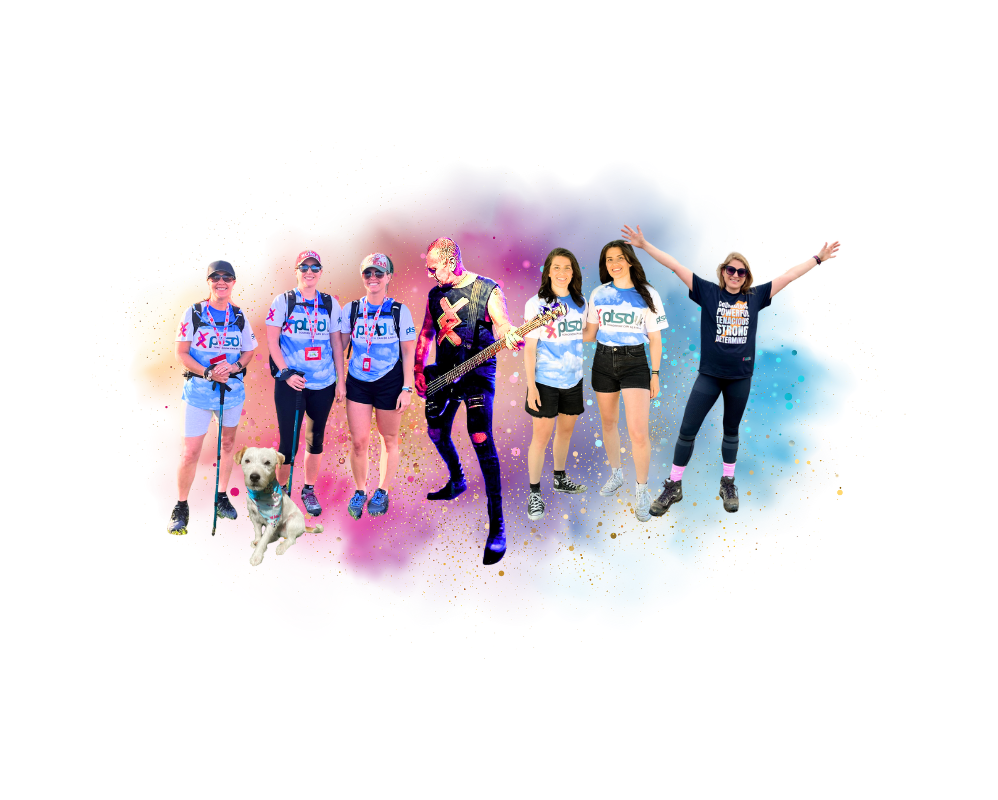
Whether it’s hosting a band night, swimming lengths for sponsorship, taking your dog on a fundraising walk, a sponsored leg wax or head shave, or hiking up Ben Nevis – the choice is yours! Every fundraiser helps us reach more people affected by PTSD & C-PTSD to help change lives.

I want to get involved!


People fundrasing for PTSD UK

Newsletter sign up to go here

Menu
Search
Basket

No products in the basket.