If you’ve been through something traumatic and are now struggling with how you feel, you might be wondering if you have Post Traumatic Stress Disorder (PTSD) or Complex PTSD (C-PTSD). That thought alone can feel daunting, but please know: you are not alone. Many people experience symptoms like yours after trauma – and the good news is that support and effective treatment are available.
At PTSD UK, we’re here to help you understand what might be going on and guide you towards the right next steps.
Trauma is more common than you might think
It’s estimated that around 50–70% of people in the UK will experience at least one traumatic event in their lifetime . That might include:
-
A serious accident
-
Physical or sexual assault
-
Childhood abuse or neglect
-
A traumatic birth
-
Witnessing a violent event
-
Losing someone suddenly
-
Military combat
-
Being diagnosed with a life-threatening illness
Experiencing trauma can affect your brain, body, and emotions in ways that may feel overwhelming. In the weeks following the trauma, it’s very common to have upsetting thoughts or memories, feel more anxious or on edge, or struggle with things like sleep, relationships, or concentration.
Common early signs of PTSD or C-PTSD
After trauma, you might notice changes in how you feel, think, and behave. These may include:
-
Vivid flashbacks, nightmares, or intrusive memories
-
Avoiding reminders of the trauma
-
Feeling emotionally numb or disconnected
-
Difficulty sleeping or relaxing
-
Feeling constantly on edge or easily startled
-
Anger, irritability, or intense mood swings
-
Feeling depressed, ashamed, or hopeless
-
Using alcohol, drugs, or food to cope
-
Becoming very busy or over-functioning to avoid the trauma
For many people, these symptoms begin to fade after a few weeks. But if they continue – or worsen – beyond 6–8 weeks, or if they’re severely affecting your daily life, it might be a sign of PTSD or C-PTSD.
What’s the difference between PTSD and C-PTSD?
-
PTSD usually develops after a single traumatic event.
-
C-PTSD can result from prolonged or repeated trauma – like ongoing abuse, childhood neglect, or domestic violence.
C-PTSD includes all the symptoms of PTSD, but also often involves:
-
Persistent difficulties in relationships
-
Problems with emotional regulation
-
A negative self-image or sense of shame
How do I know if I have PTSD or C-PTSD?
The only way to get a formal diagnosis is to speak with a medical professional. In the UK, this usually starts with a visit to your GP. They’ll ask about your symptoms, how long they’ve been going on, and how they’re affecting your life. You don’t have to share the full details of your trauma unless you feel comfortable doing so.
If your GP thinks you may have PTSD or C-PTSD, they may refer you to a community mental health team or specialist trauma service for further assessment and support. You might then work with a psychologist, psychiatrist, or another mental health professional.
Self-screening: A quick check-in
You can’t diagnose yourself, but a short self-check can help highlight whether you’re experiencing common PTSD or C-PTSD symptoms. In the past month, have you:
-
Had nightmares or unwanted memories of a traumatic event?
-
Avoided reminders of the trauma, such as people or places?
-
Felt hyper-alert, jumpy, irritable, or had trouble concentrating?
-
Felt emotionally numb or disconnected from others?
-
Blamed yourself or others for what happened?
If you answered “yes” to three or more, it may be a sign that you’re experiencing PTSD or C-PTSD symptoms – and that it’s time to reach out for professional help.
Even if you answered “yes” to fewer than three, but you’re struggling to cope after a traumatic experience, it’s still worth speaking to someone. You don’t need a diagnosis to deserve support.
Why it’s important to seek help
Many people hope their symptoms will fade on their own – but for PTSD and C-PTSD, they often persist or get worse without treatment. Left untreated, symptoms can impact your:
-
Relationships
-
Work or studies
-
Sleep and physical health
-
Mental wellbeing and ability to function day to day
The sooner you seek help, the sooner you can start to feel better. And if you’ve tried treatment in the past and it didn’t help, don’t lose hope. New approaches and therapies are emerging all the time, and something different may work for you now.
Treatments that can help
PTSD and C-PTSD are treatable conditions – recovery is not only possible, but likely with the right support. According to the NICE guidelines (the UK’s official clinical guidance), the most effective first-line treatments are:
-
Trauma-focused Cognitive Behavioural Therapy (CBT)
-
EMDR (Eye Movement Desensitisation and Reprocessing)
These are available through the NHS, though waiting times can vary. If you feel able to, you can also explore private therapy options or contact specialist organisations (like us at PTSD UK) for further guidance.
Other supportive treatments include:
-
Somatic therapies (body-based approaches that work with trauma stored in the body)
-
IFS (Internal Family Systems)
-
Art or music therapy
-
Mindfulness and grounding practices
-
Trauma-informed yoga or movement
-
Medication, when appropriate, to manage anxiety, low mood, or sleep problems
You can read more about these on our PTSD UK blog.
What if I need extra support?
If your symptoms are affecting your ability to care for yourself or live independently, you may be entitled to extra help from social services. This could include support with:
-
Leaving the house
-
Cleaning or cooking
-
Managing finances or staying safe
-
Education or employment
-
Connecting with others
Speak to your GP if you think you need a care needs assessment.
What if I don’t feel “ready”?
Many people delay seeking help because they feel unsure, afraid, or not “ready” to deal with their trauma. In fact, this kind of avoidance is a common symptom of PTSD and C-PTSD. So you may never feel fully ready – and that’s okay. Taking even a small step now can make a big difference.
Your next steps
You’ve already taken an important step by reading this – and that matters. You might want to:
-
Talk to a trusted friend or loved one
-
Call your GP to book an appointment
-
Look at our information resources to learn more
-
Explore grounding or self-soothing techniques to ease your symptoms
And remember: you are not broken. You are having a very human response to something that was overwhelming. With the right help, things can get better – and you deserve that support.
Social MEDIA SHARE THIS PAGE
Join us in supporting the journey toward healing and recovery for everyone with PTSD & C-PTSD
Help us provide vital support, information, and resources across the UK
Printed Support Items
Our Supporters store offers a variety of merchandise to help raise awareness, along with practical items to support your treatment and recovery like our Ink and Insight Toolkit, Emotional Wheel Postcards, PTSD & C-PTSD Symptom Tracker sheets, Safety Plan worksheets and Communication Cards.

PTSD UK Supporters’ Store
Every item in our Supporters’ Store helps fund vital work for people affected by PTSD and C-PTSD.
Whether you’re buying for yourself or a loved one, every purchase supports awareness, recovery resources, and access to life-changing information. From empowering T-shirts, beanie hats and wristbands to practical support tools, everything has been created with care — and with hope in mind.

Insights: The PTSD UK Blog
Your Source for the Latest Support and Advice

AAA STANDARD BLOG POST
Lorem ipsum dolor sit amet, consectetur adipiscing elit. Donec tortor tortor, facilisis eu imperdiet sit amet, semper eget urna. Quisque sit amet erat risus. Pellentesque habitant morbi tristique senectus et netus et malesuada fames ac turpis egestas.
Read article
Why does Post Traumatic Stress Disorder make you so tired?
Lorem ipsum dolor sit amet, consectetur adipiscing elit. Donec tortor tortor, facilisis eu imperdiet sit amet, semper eget urna. Quisque sit amet erat risus. Pellentesque habitant morbi tristique senectus et netus et malesuada fames ac turpis egestas.
Read article
Hello world!
Lorem ipsum dolor sit amet, consectetur adipiscing elit. Donec tortor tortor, facilisis eu imperdiet sit amet, semper eget urna. Quisque sit amet erat risus. Pellentesque habitant morbi tristique senectus et netus et malesuada fames ac turpis egestas.
Read article
Hello world!
Lorem ipsum dolor sit amet, consectetur adipiscing elit. Donec tortor tortor, facilisis eu imperdiet sit amet, semper eget urna. Quisque sit amet erat risus. Pellentesque habitant morbi tristique senectus et netus et malesuada fames ac turpis egestas.
Read article
Hello world!
Lorem ipsum dolor sit amet, consectetur adipiscing elit. Donec tortor tortor, facilisis eu imperdiet sit amet, semper eget urna. Quisque sit amet erat risus. Pellentesque habitant morbi tristique senectus et netus et malesuada fames ac turpis egestas.
Read articleSign up to be a 'Friend of PTSD UK' today!
Unlock exclusive resources, discounts and events: just £5 per month
PTSD UK Impact Report 2025
Our Impact Report shines a light on the real-world difference PTSD UK is making for people affected by PTSD and C-PTSD across the country. Whether it’s helping someone access life-changing therapy, offering trusted information at a critical moment, or raising awareness that leads to understanding — your support is at the heart of it all.
If you’d like to see exactly how we’re turning compassion into action, and hope into healing, take a look at our latest Impact Report.

Practical Tools & Guidance
Resources & downloads for practical and tangible support
STANDARD PAGE TEMPLATERaising Funds, Changing Lives
Whether you’re considering iconic events like the Great North Run, exhilarating experiences like skydiving, our unique PTSD UK events such as the Wagathon or Dip a Day December, or planning your own fundraiser, every penny you raise really can change the lives of people affected by PTSD & C-PTSD.
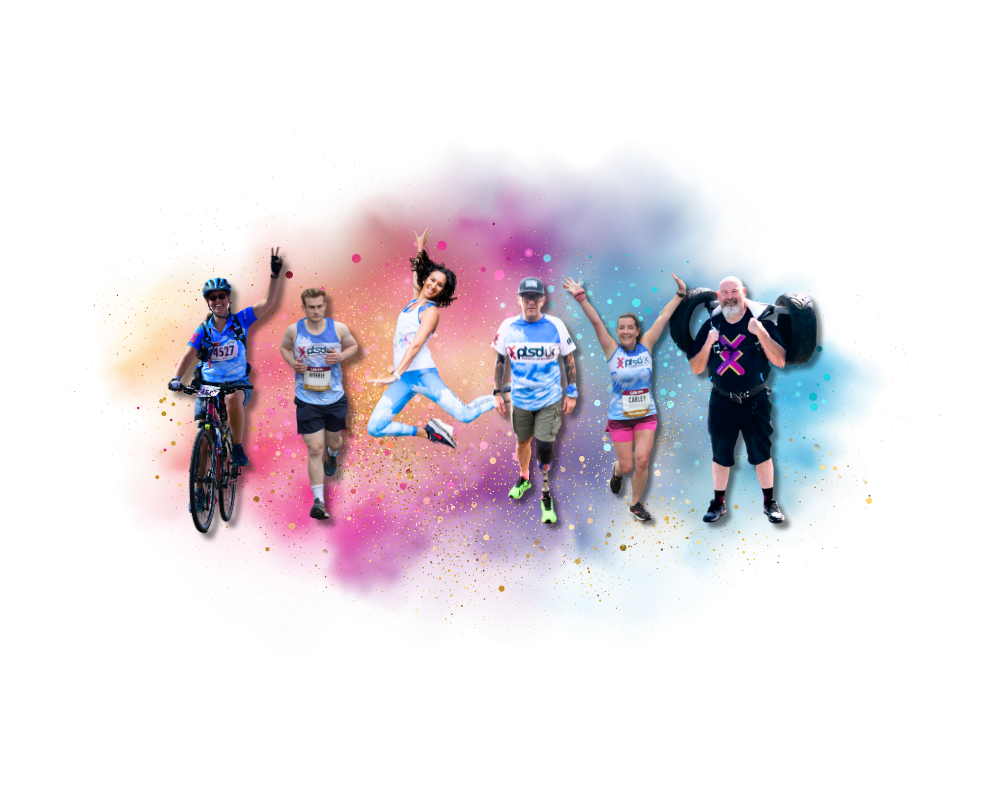
Create Your Own Fundraiser: Make a Difference Your Way
Whether it’s hosting a band night, swimming lengths for sponsorship, taking your dog on a fundraising walk, a sponsored leg wax or head shave, or hiking up Ben Nevis – the choice is yours! Every fundraiser helps us reach more people affected by PTSD & C-PTSD to help change lives.
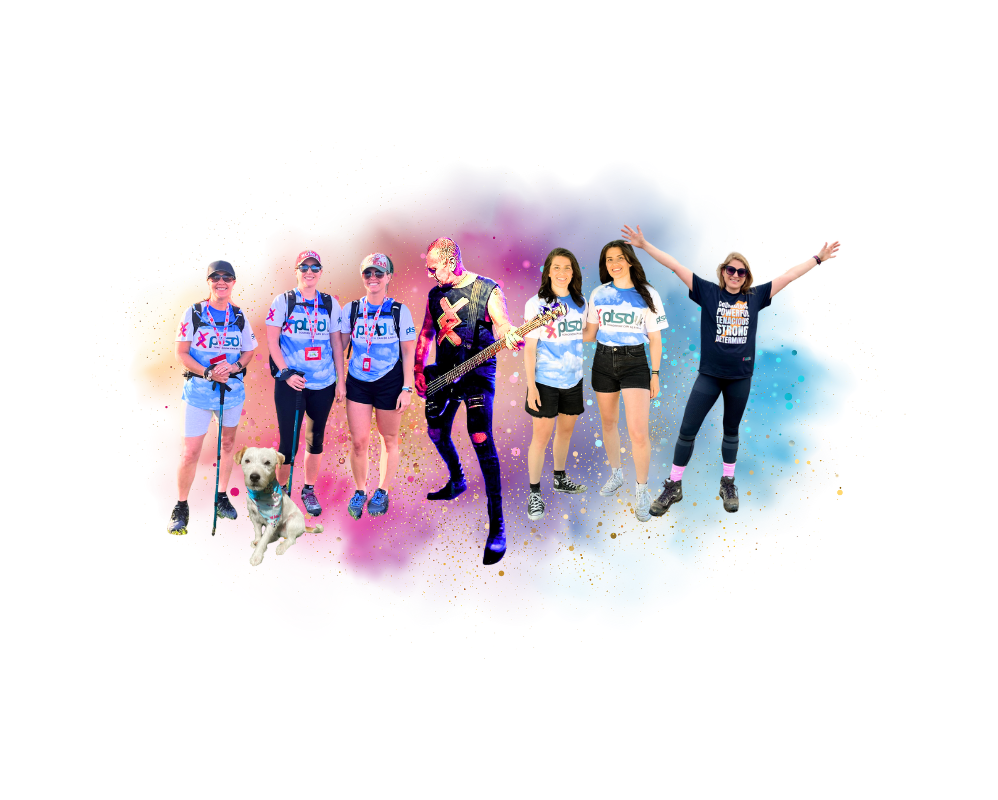

Find us on Facebook
Join us on Facebook for the latest news, updates, personal stories, helpful articles, and community support. It’s a great place to stay connected and see how your support is making a difference.
Join the Conversation
Find us on Instagram
Follow us on Instagram for powerful quotes, uplifting messages, behind-the-scenes updates, and visual resources designed to support and inspire anyone affected by PTSD or C-PTSD.
Find Daily Inspiration
Find us on TikTok
Catch us on TikTok for quick, engaging videos that raise awareness, share real experiences, and highlight the small steps that can lead to big changes in PTSD and C-PTSD recovery.
Watch & LearnNewsletter sign up to go here